
The Object Is Only the Beginning
What watches and cars are teaching me about access, education, community, and belonging.
Over the last month, I have handled watches worth more than some houses. I've sat inside cars I once only read about. I've spoken with executives, retailers, collectors, enthusiasts, business owners, drivers, and people whose careers have been spent understanding objects at a level far beyond their price tags.
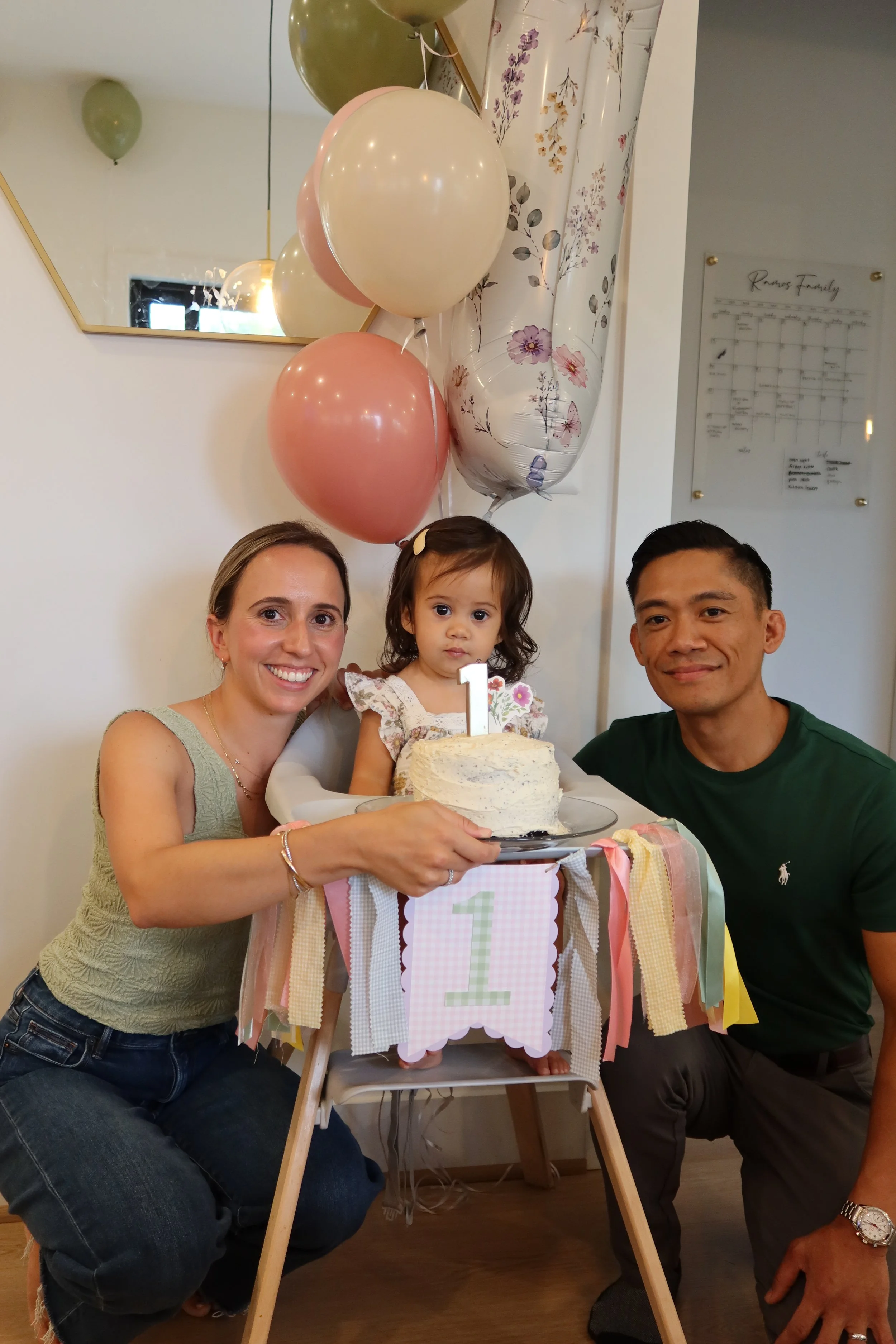
I've also celebrated my daughter's first birthday.
I watched my son start kindergarten.
I watched him choose cars, ask questions, and customize things.
Somewhere between all of those experiences, something became increasingly clear to me:
The object is only the beginning.
I love watches.
I love cars.
That hasn't changed.
If anything, I appreciate them more today than I did a year ago. But the deeper I travel into both worlds, the more interested I become in everything surrounding the object—the people, history, engineering, education, institutions, rituals, businesses and communities that allow an enthusiast to understand why something matters.
That realization has changed the way I think about collecting.
It is also changing the way I think about business.
From Looking to Understanding
There is a major difference between seeing something and understanding it.
A photograph can show me a Vacheron Constantin Historiques 222.
A specification sheet can tell me its dimensions, movement and power reserve.
The secondary market can tell me approximately what one costs.
None of those things can completely explain why a design conceived more than a century ago still feels unusual today.
For that, someone has to provide context.
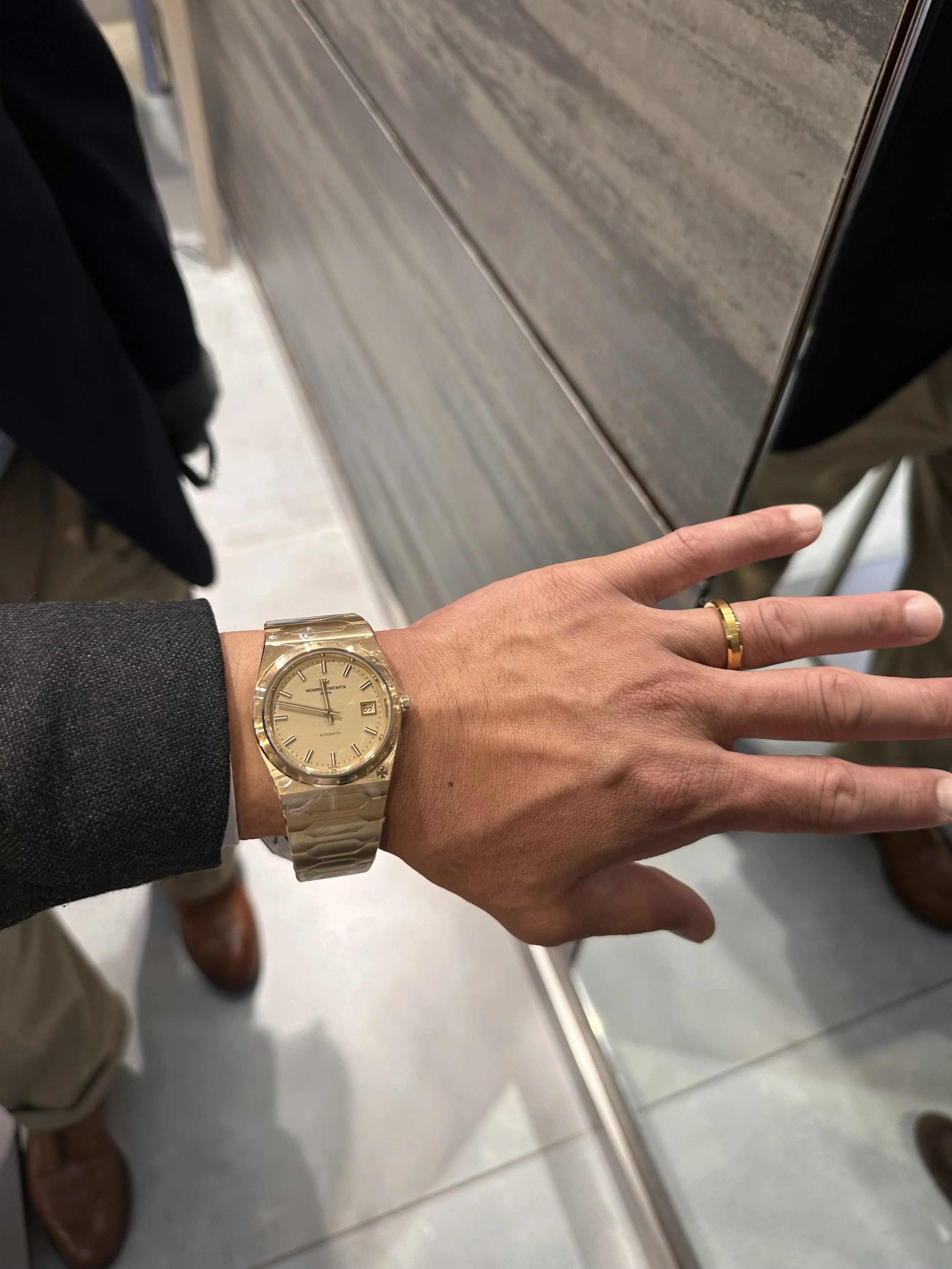
Recently, I visited Vacheron Constantin in Chicago and spent time with Anthony Ollmann. I had already been interested in the Historiques 222. What I left appreciating, however, was something larger.
Preparation matters.
Hospitality matters.
Knowing your product matters.
Understanding the person standing in front of you matters.
There is something refreshing about meeting someone in luxury who takes those responsibilities seriously.
A great luxury experience doesn't make you feel fortunate simply to be allowed into the room.
It makes you want to understand why the room exists.
That distinction has stayed with me.
A $480,000 Lesson
That same trip took me somewhere completely different.
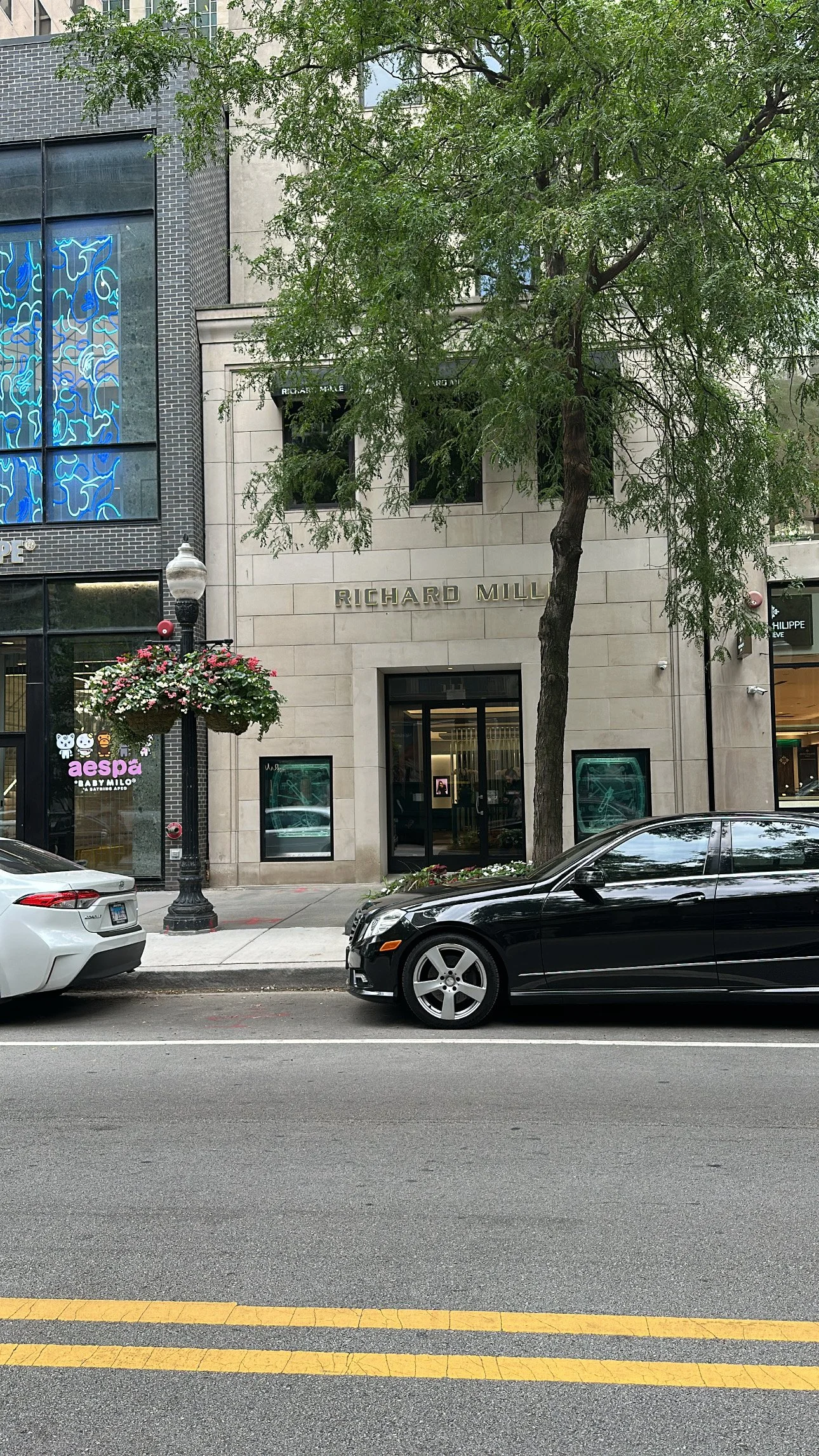
Richard Mille.
I went in specifically to discover the brand.
That wording mattered to me because I wasn't walking in pretending to be a longtime Richard Mille collector. I wanted to understand something I had mostly experienced from the outside.
During the appointment, I handled an extraordinary McLaren collaboration valued around $480,000.
The part that stands out first isn’t the approximately McLaren collaboration. It’s that Jing, the saleswoman, began with conversation. We discussed the brand, its allocation system and the thinking of “Mr. Mille”—a small but revealing expression of respect for the founder’s authorship and philosophy.
Only then did the watches come out.
I learned about the RM 030 and its declutchable rotor, which disengages when the power reserve reaches approximately 50 hours and re-engages near 40. I also handled the already-sold RM 65-01 McLaren W1, with its high-frequency split-seconds chronograph, rapid-winding pusher, function selector and variable-geometry rotor.
That was when the engineering lesson became physical.
I walked into Richard Mille thinking about watches. I walked out thinking about systems:
Engineering systems.
Retail systems.
Relationship systems.
Luxury itself is a system. And once you begin looking at it that way, price becomes only one component of a much larger architecture.
The People Between the Products
The pattern continued throughout Chicago.
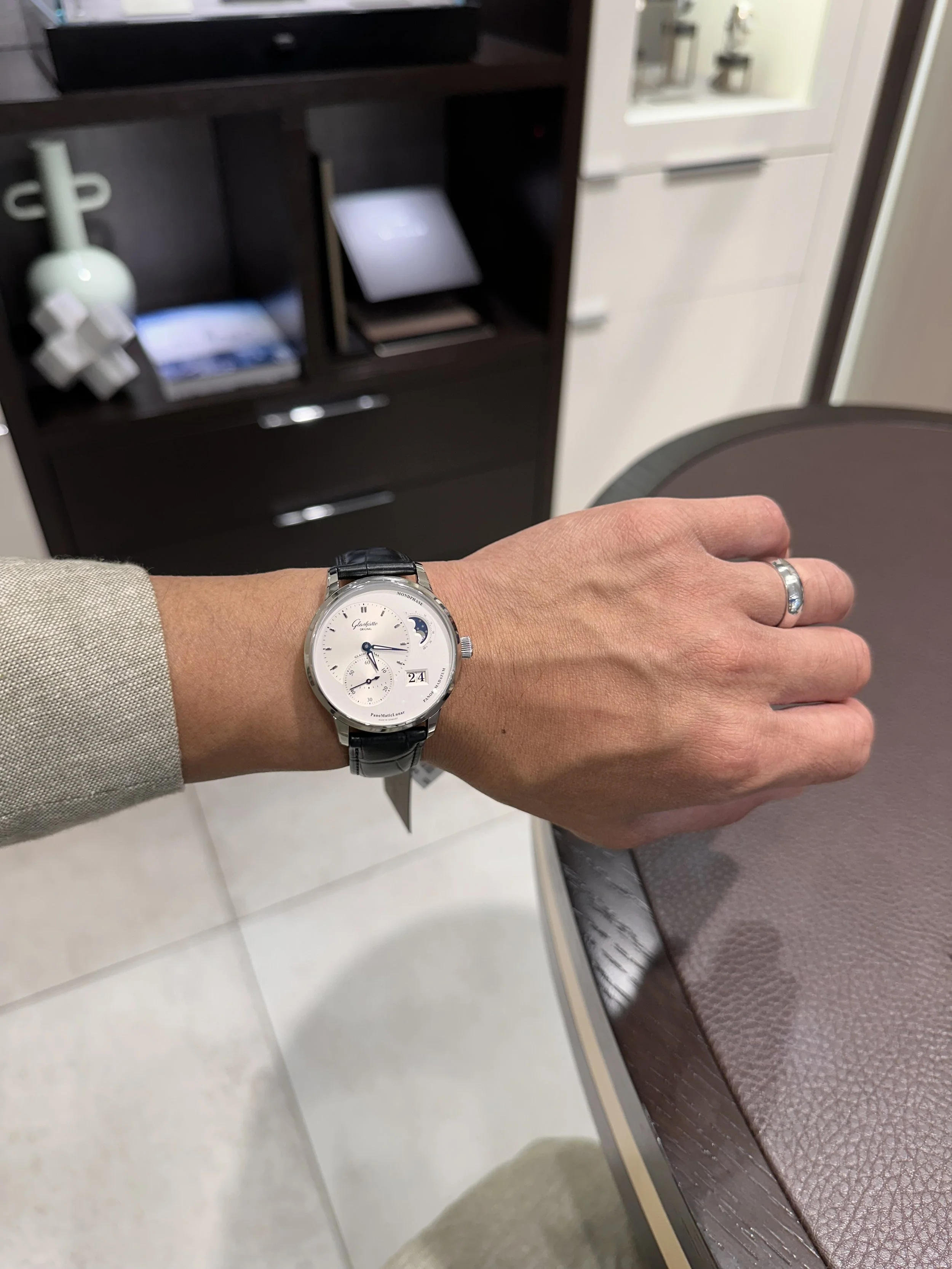
At Burdeen's, I spent time with the Glashütte Original PanoLunar.
That watch surprised me.
Its dial architecture—the way information is intentionally distributed rather than forced into conventional symmetry—made me stop and reconsider some of my own assumptions about what attracts me to a watch.
But again, the watch wasn't isolated from the experience.
There were conversations.
Introductions.
Cameron.
Emmanuel and NORQAIN.
Ariel Ramos.
People willing to talk about watches, brands, cars, business and where these worlds might be heading.
Earlier, I spent more than two hours with Nick at Ad Patina.
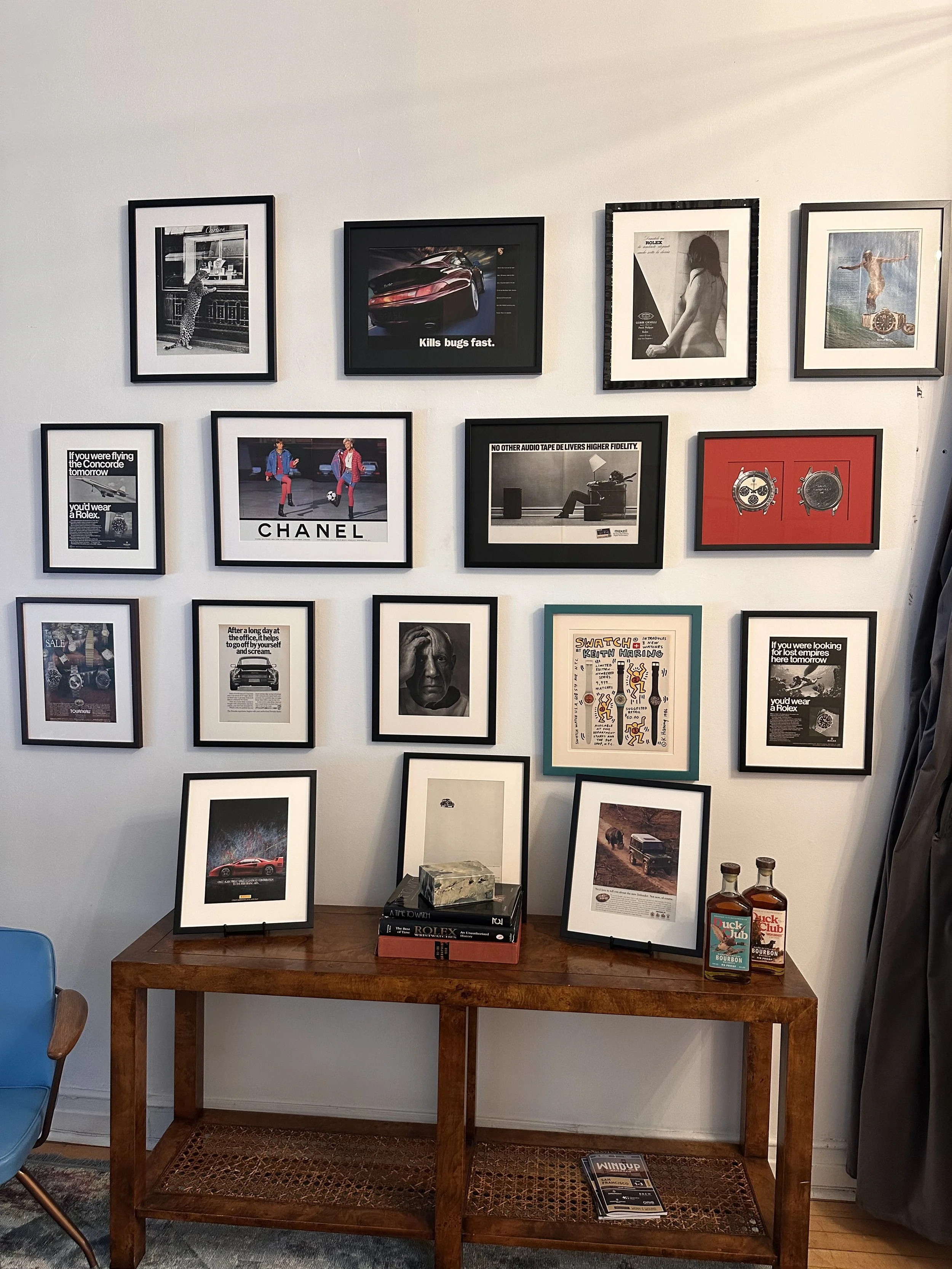
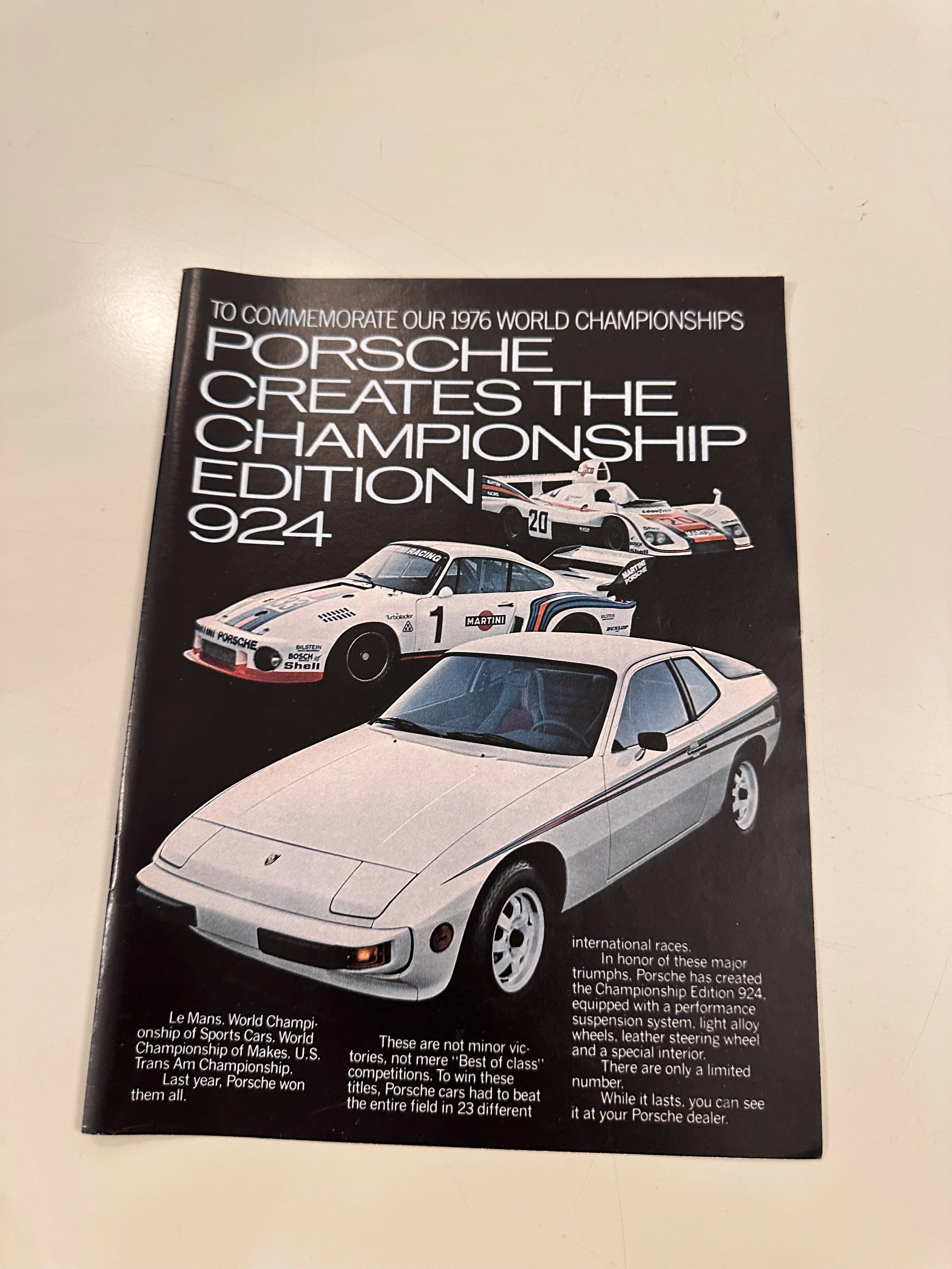
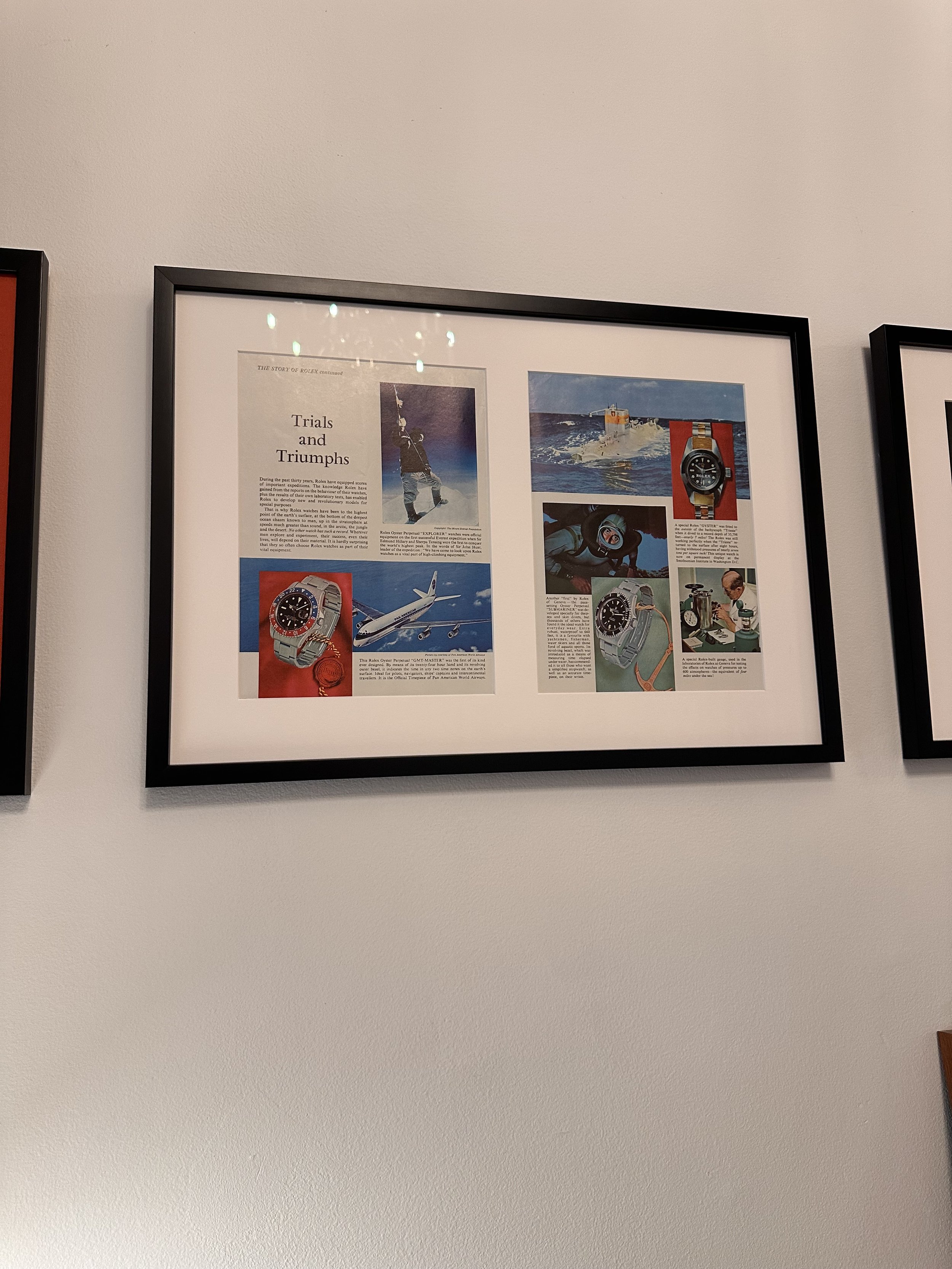
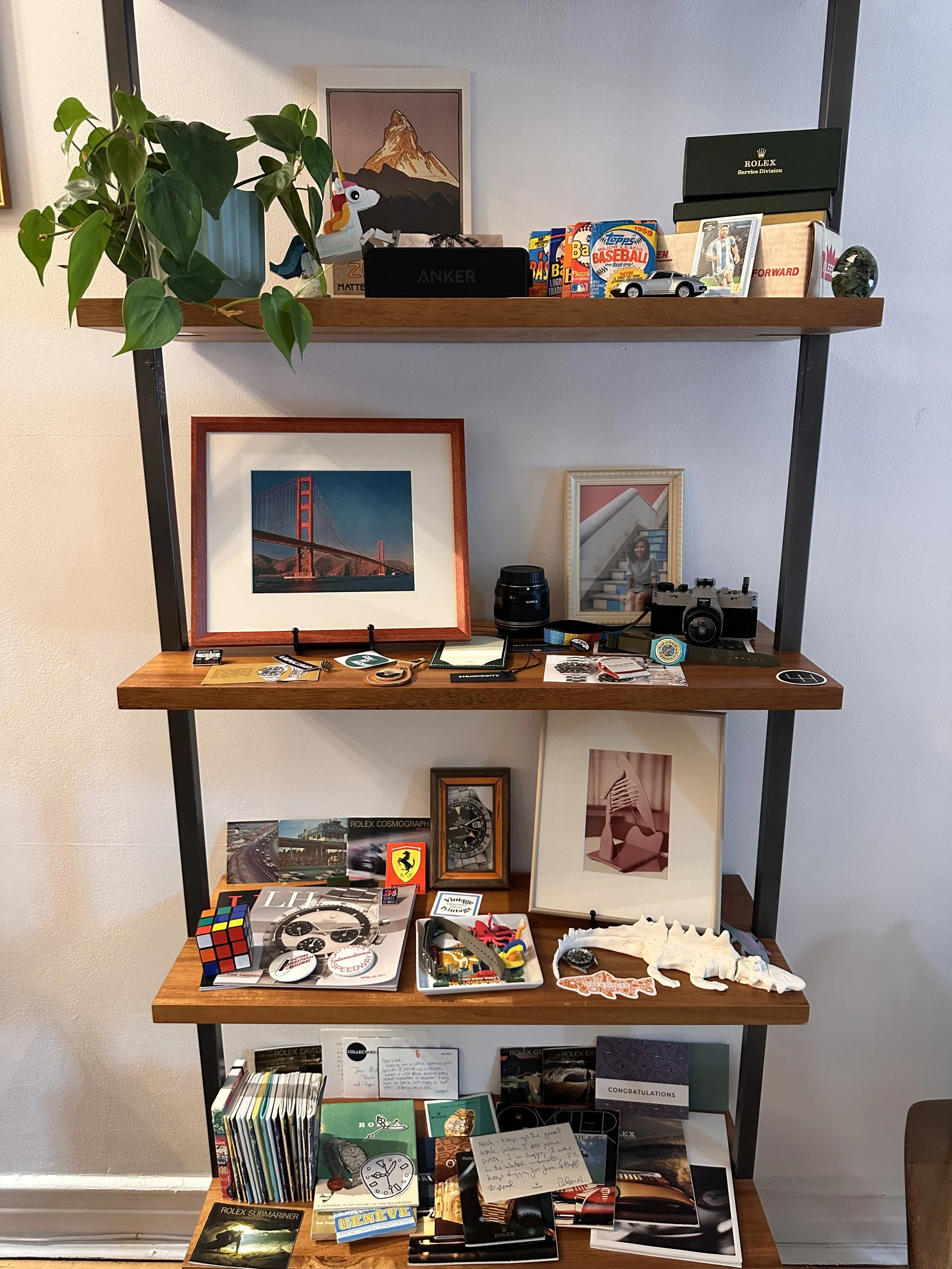
What began around objects expanded into business, collecting, family, taste and why we choose to preserve certain things in the first place.
That is becoming one of my favorite parts of collecting.
Eventually, if you're curious enough, the object introduces you to a person.
And the person introduces you to another idea.
The Best Rooms Teach
I've started noticing something about the communities I enjoy most.
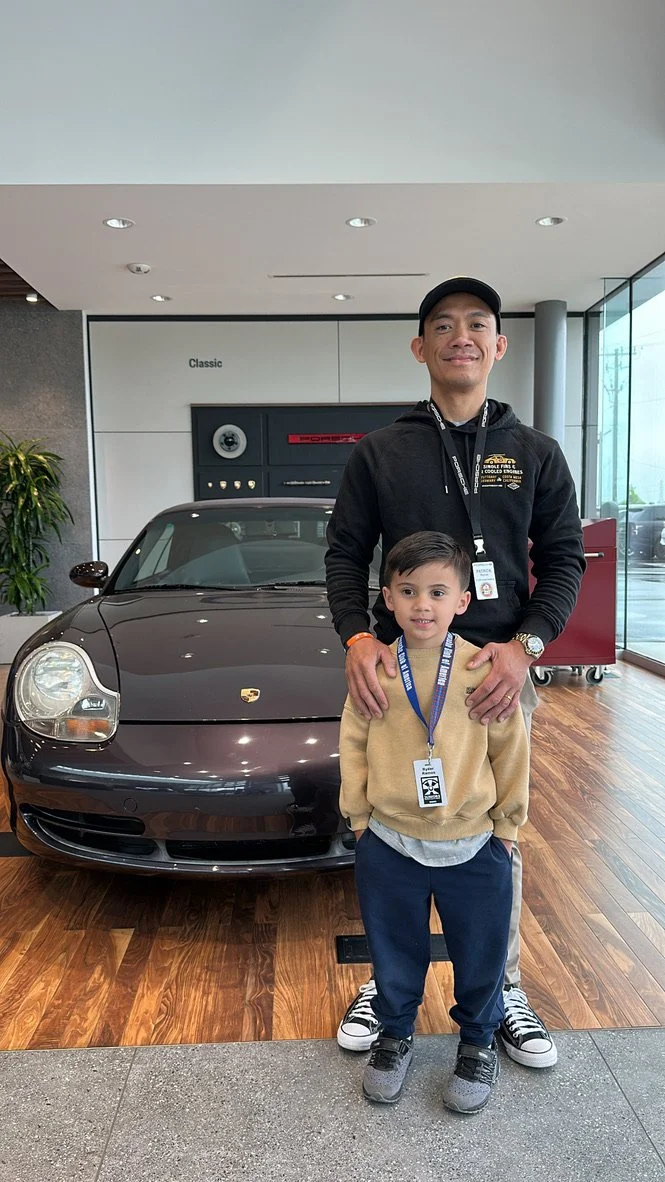
They teach.
My first year with the Porsche Club of America reinforced this repeatedly.
When I began participating in driver education, nobody expected me to arrive knowing everything.
That would defeat the purpose.
There were instructors.
Technical sessions.
Drivers with considerably more experience.
People willing to explain why something happens before simply telling you what to do.
You learn.
Then you participate.
Participation creates confidence.
Confidence creates relationships.
Relationships create community.
And eventually, if the system works, the person who once needed someone to explain everything becomes capable of helping the next person.
Education → Participation → Confidence → Community.
I've realized that this is remarkably close to the philosophy I've been developing through PR Timepieces:
Lead with education, follow with service.
I didn't arrive at that sentence because it sounded good in a business plan.
I arrived there because I keep experiencing what happens when people actually practice it.
Luxury's Opportunity
The luxury industry spends enormous amounts of time discussing access.
Who can get the watch?
Who received the allocation?
Who was invited?
Who has enough purchase history?
Who knows whom?
Scarcity is real. Production capacity is real. Some products simply cannot be made in quantities sufficient for everyone who wants them.
But I think there is another kind of access worth discussing.
Access to understanding.
Luxury can sometimes communicate an unspoken expectation:
You should already know.
You should know the references.
You should know the terminology.
You should understand the hierarchy.
You should know what questions to ask.
You should know how the allocation works.
You should know which door to walk through.
But every serious collector was once someone who didn't know any of that.
Every enthusiast started somewhere.
Someone explained the first movement.
Someone identified the first reference.
Someone told the story behind the car.
Someone handed over the keys.
Someone invited them to an event.
Someone said:
Come here. Let me show you something.
Perhaps one of the greatest opportunities in luxury isn't simply finding more customers.
Maybe it's creating more educated enthusiasts.
Those are very different objectives.
Access Is Not the Same as Belonging
This distinction has become increasingly important to me.
Access can be transactional.
Belonging cannot.
You can purchase your way into possession.
You cannot necessarily purchase your way into understanding.
And you certainly cannot purchase genuine community.
Those things require time.
Curiosity.
Participation.
Humility.
Preparation.
Contribution.
The more rooms I enter, the less interested I am in simply being able to say I was there.
I want to know why the room matters.
I want to know who built it.
I want to know what I can learn from the people inside.
And eventually, I want to know what I can contribute.
That may be the biggest change I recognize in myself.
I started as a consumer.
Then I became an enthusiast.
The enthusiast became a student.
The student started participating.
Now I'm beginning to understand the responsibility of becoming a contributor.
Consumer → Enthusiast → Student → Participant → Contributor.
I don't think those stages have a finish line.
You can be all five at once.
But contribution changes the relationship.
You stop asking only:
What can I experience?
And begin asking:
What can I add?
Then I Came Home
After Chicago, the watches, conversations, appointments and extraordinary objects came home with me mostly as memories.
Life resumed.
My daughter turned one.
My son started kindergarten.
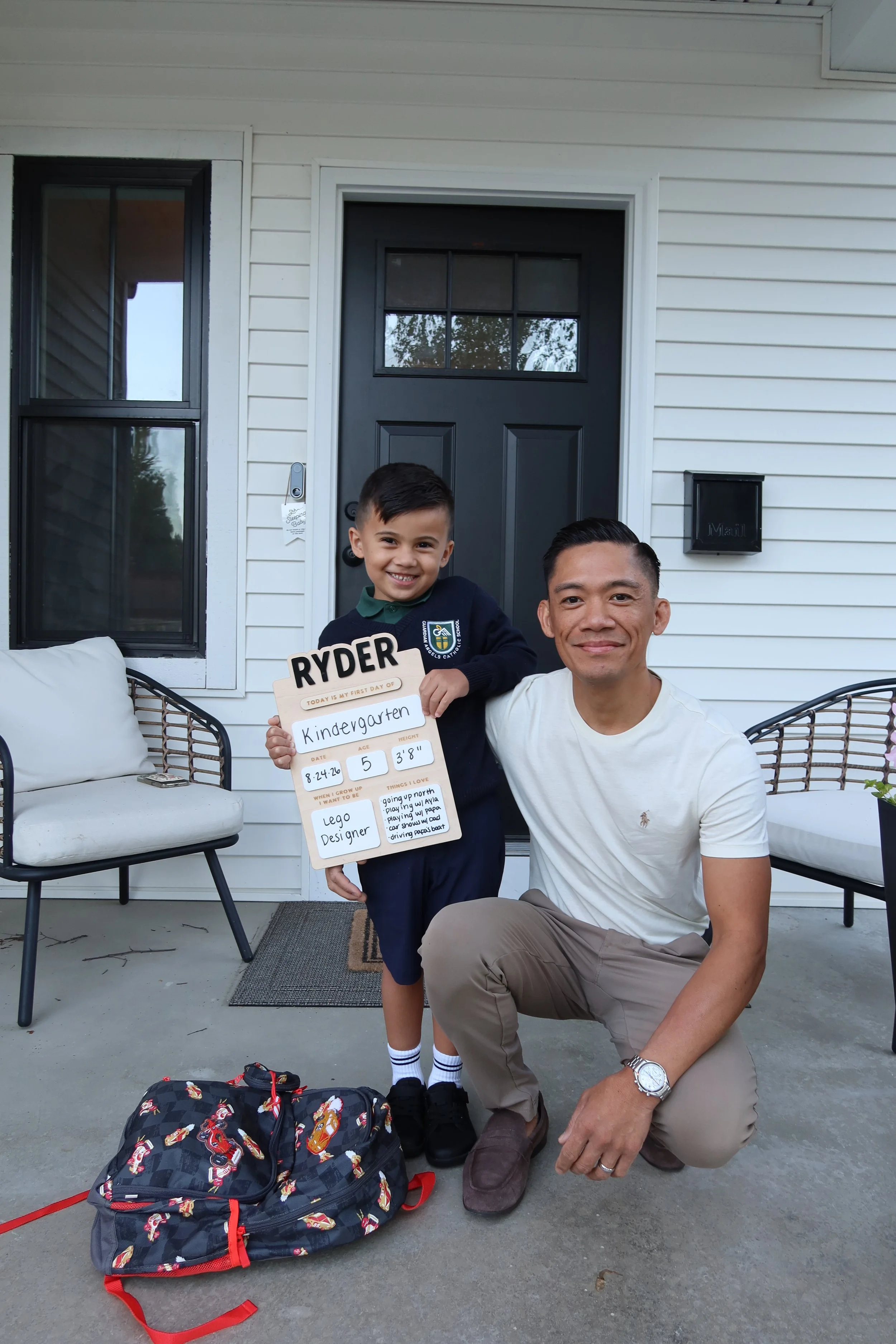
I looked at my son and couldn't help thinking about everything surrounding it that he doesn't know yet.
He doesn't know the history.
He doesn't know the personalities.
He doesn't understand why Porsche matters to so many people.
He doesn't fully understand that somewhere in Arkansas sits our own 1987 Porsche 924S, being transformed as part of a project that he and I will experience together.
He doesn't need to know any of that yet.
Right now, it's simpler.
That's a cool car.
And maybe that's where all of this begins.
Not with expertise.
Not with money.
Not with access.
With curiosity.
And when I think about it that way, watches and cars suddenly feel much larger than watches and cars.
They become vehicles for transferring knowledge.
Stories.
Craft.
History.
Relationships.
Standards.
Taste.
Responsibility.
Even values.
The Object Is Only the Beginning
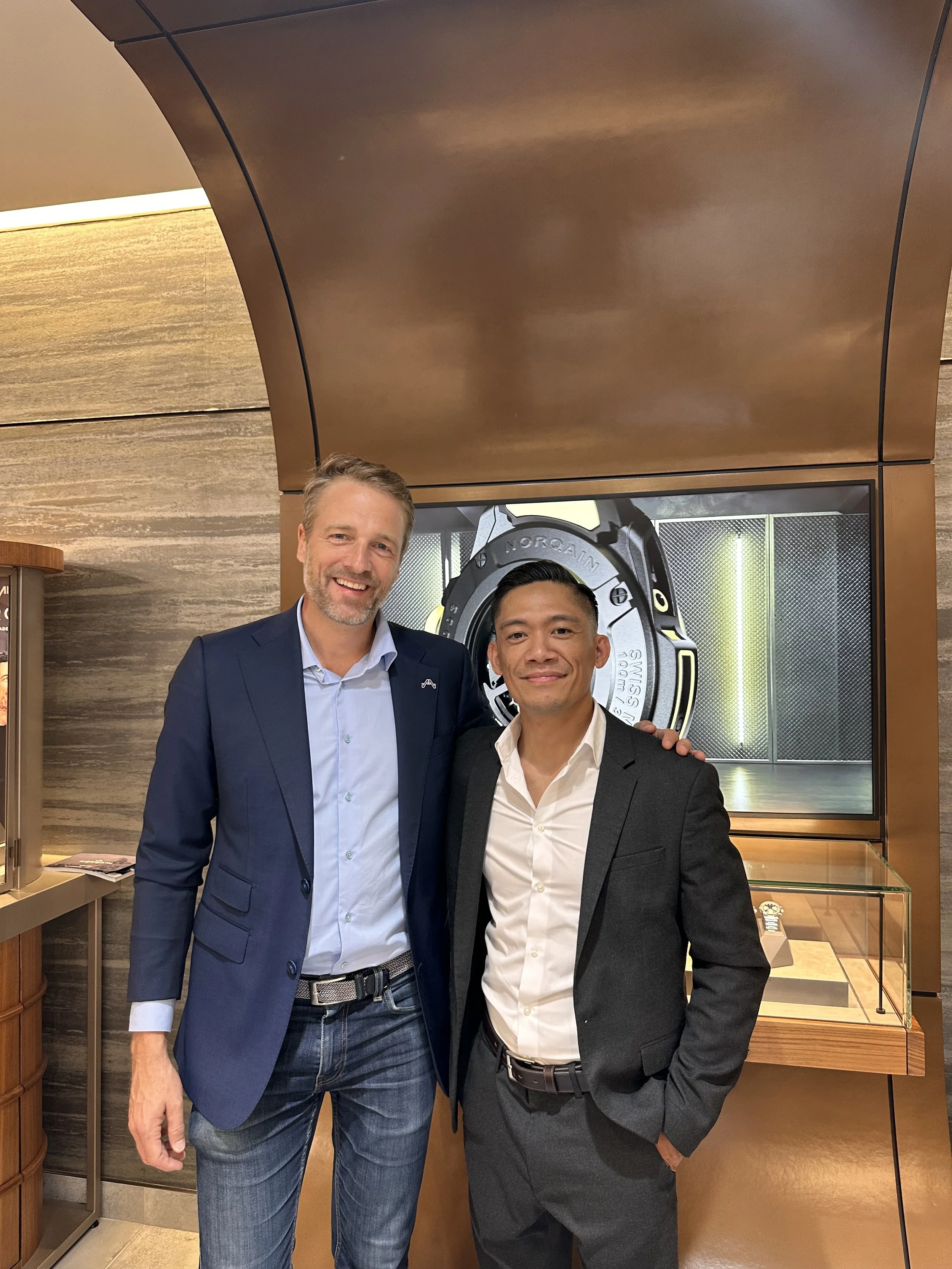
The most valuable thing I've been given this year hasn't been access to objects.
It's been access to people willing to explain them.
People willing to hand me something and tell me why it matters.
People willing to answer questions.
People willing to open doors.
People willing to trust me with machines.
People willing to share what took them years to learn.
That creates a responsibility of its own.
Because every enthusiast begins as someone who doesn't know yet.
I certainly did.
In many ways, I still do.
Hopefully I always will.
Because curiosity is what keeps this interesting.
The responsibility of those already inside these communities isn't simply to guard the door.
It's to preserve what deserves preserving, teach what deserves teaching, and make room for the genuinely curious person standing on the other side.
Then, eventually, that person should hold the door for somebody else.
That's how enthusiasts are made.
That's how communities survive.
That's how knowledge gets transferred from one generation to another.
And maybe that is what I've actually been collecting all along.
Not watches.
Not cars.
Context.
