
Vol. 21: Porsche Design Chronograph I × 2027 Porsche 911 GT3 “90 F.A.”
Ferdinand Alexander Porsche: Visionary, Originator, and the Birth of Porsche Design
Some designers chase beauty.Others chase function.Ferdinand Alexander Porsche believed the two were inseparable.
Known simply as F. A. Porsche, he was born in 1935 into one of the most influential automotive families in history. His grandfather, Ferdinand Porsche, laid the foundations for the Volkswagen Beetle and early Porsche engineering. But F. A.’s legacy would not be defined by inheritance. It would be defined by restraint, clarity, and an uncompromising belief that design must always serve purpose.
“Design is not an end in itself; it must be explainable from a functional perspective.”
— Ferdinand Alexander Porsche
That philosophy would quietly reshape both the car world and the watch industry — and, 90 years after his birth, it remains unmistakably relevant.
From Automotive Icons to Everyday Objects
F. A. Porsche is best known as the designer of the Porsche 911, a car whose silhouette has remained remarkably consistent for more than six decades. Few designs in automotive history have proven so enduring — not because they chase trends, but because they solved the problem correctly the first time.
In 1972, he made a decisive pivot.
Alongside his brother Hans-Peter Porsche, he founded Porsche Design Studio, initially in Stuttgart and later in Zell am See. The goal was not to create lifestyle products for their own sake, but to apply the same engineering discipline used in cars to everyday objects.
The guiding principles were clear:
Honest, uncompromising design
Function before form — always
Luxurious without ornamentation
Built for longevity, not attention
Nothing was styled to impress. Everything was designed to endure.
The Chronograph I: A Watch That Changed Everything
The studio’s very first product became its most enduring symbol.
Introduced in 1972, the Porsche Design Chronograph I was the world’s first entirely black wristwatch. At the time, black simply did not exist in luxury watchmaking. To F. A. Porsche, the inspiration was obvious: the cockpit of the Porsche 911.
The design followed dashboard logic:
Matte black surfaces to eliminate glare
White indices and hands for instant legibility
A red chronograph seconds hand for immediate visual reference
Borrowed directly from motorsport instrumentation, the Chronograph I wasn’t meant to be decorative. It was meant to be readable at speed, under vibration, and in poor light.
In doing so, it quietly rewrote the rules of modern watch design — laying the groundwork for the contemporary tool-watch aesthetic we now take for granted.
Materials as Meaning
F. A. Porsche’s interest in materials was never about novelty. It was about relevance.
In 1980, Porsche Design introduced a titanium chronograph at a time when the material was largely reserved for aerospace and motorsport. Lightweight, corrosion-resistant, and functionally superior, titanium reinforced a core belief: engineering decisions should always come before aesthetics.
That same thinking carried across every category Porsche Design touched — eyewear, writing instruments, furniture, electronics. Each object asked a single question:
What is the most honest way this object can exist?
Philosophy, Personality, and Private Life
Despite his reputation for purist design, F. A. Porsche was not austere. He loved the mountains.He favored classic checked jackets. He often chose green Porsches — a subtle refusal to conform even within his own design language. He was also a family man, raising three sons and understanding that legacy is built as much through values as through objects.
“If you rethink the function of something, the form sometimes emerges almost by itself.”
In an era driven by trends, algorithms, and attention economics, that belief feels increasingly rare.
Celebrating 90 Years of F. A. Porsche
To understand F. A. Porsche’s legacy, you have to view it across scales — the wrist and the road.
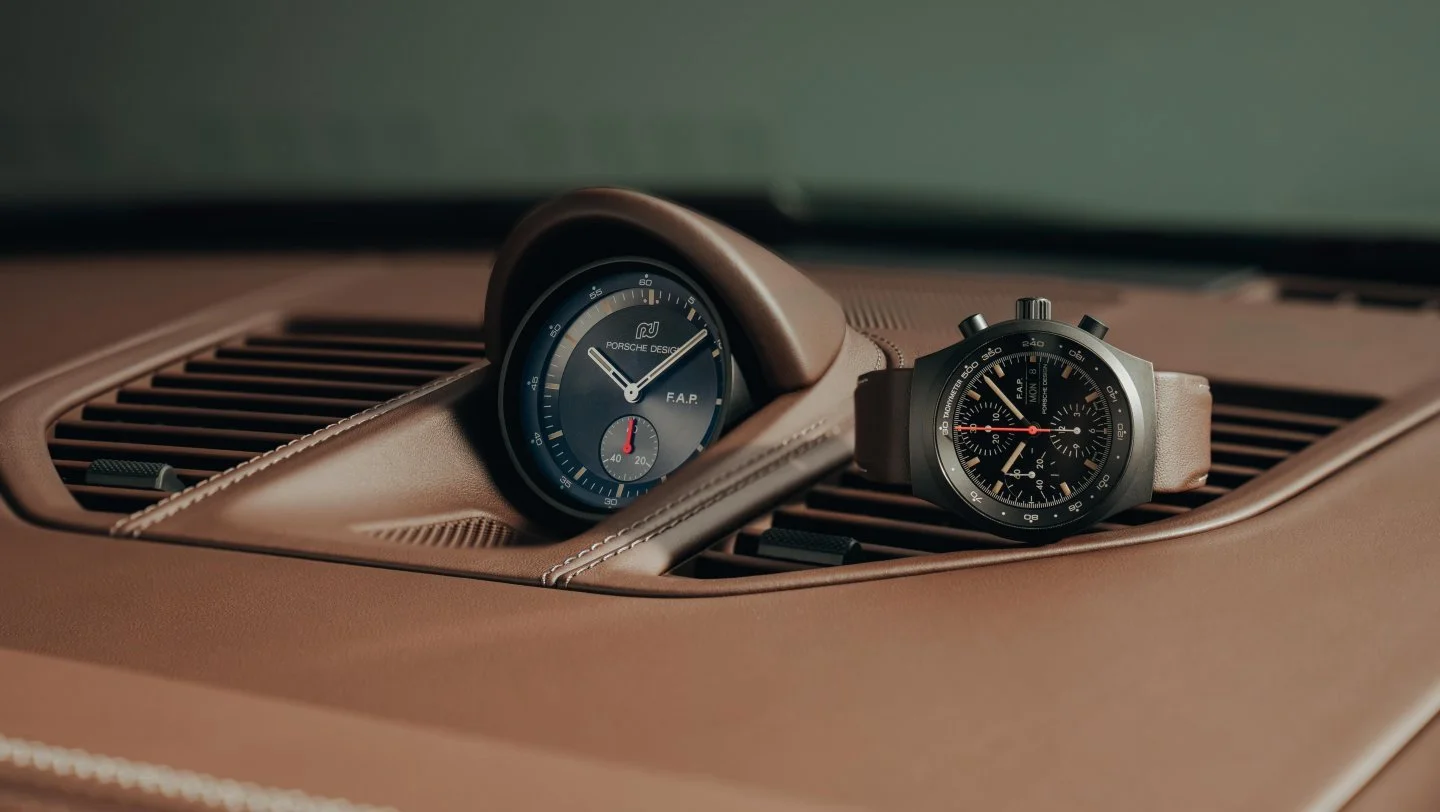
This week, in celebration of what would have been his 90th birthday, Porsche unveiled the 911 GT3 “90 F.A.” — a car governed by the same principles as the Chronograph I: clarity, restraint, and purpose without excess.
2027 Porsche 911 GT3 “90 F.A.” (992)
Created to honor what would have been Ferdinand Alexander Porsche’s 90th birthday, the 911 GT3 “90 F.A.” is a reminder that performance doesn’t need excess. Powered by a 9,000-rpm naturally aspirated flat-six and offered with a proper manual, it’s a car built around clarity, feedback, and purpose. No gimmicks. No shortcuts. Just engineering that rewards the driver who wants to be present.

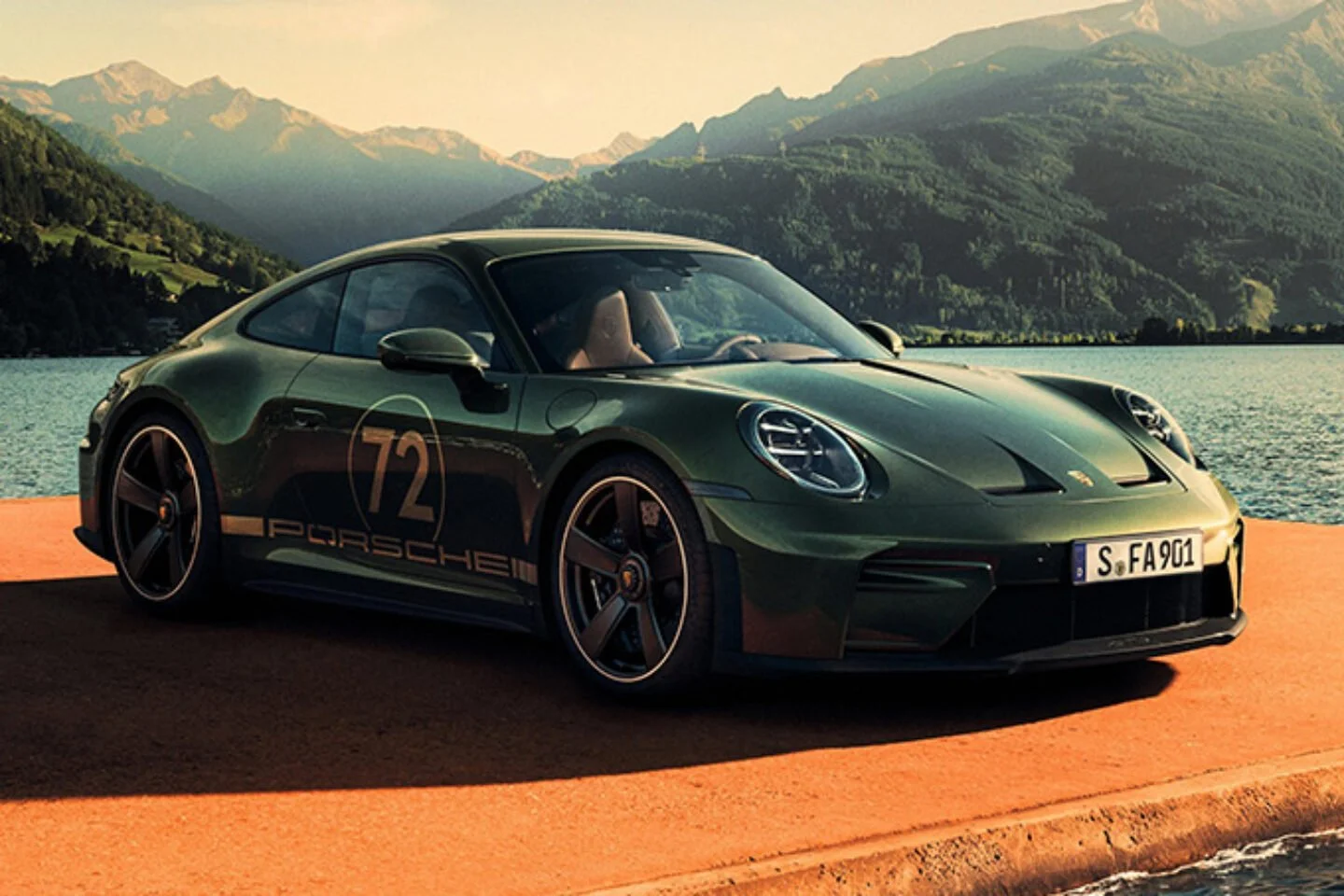

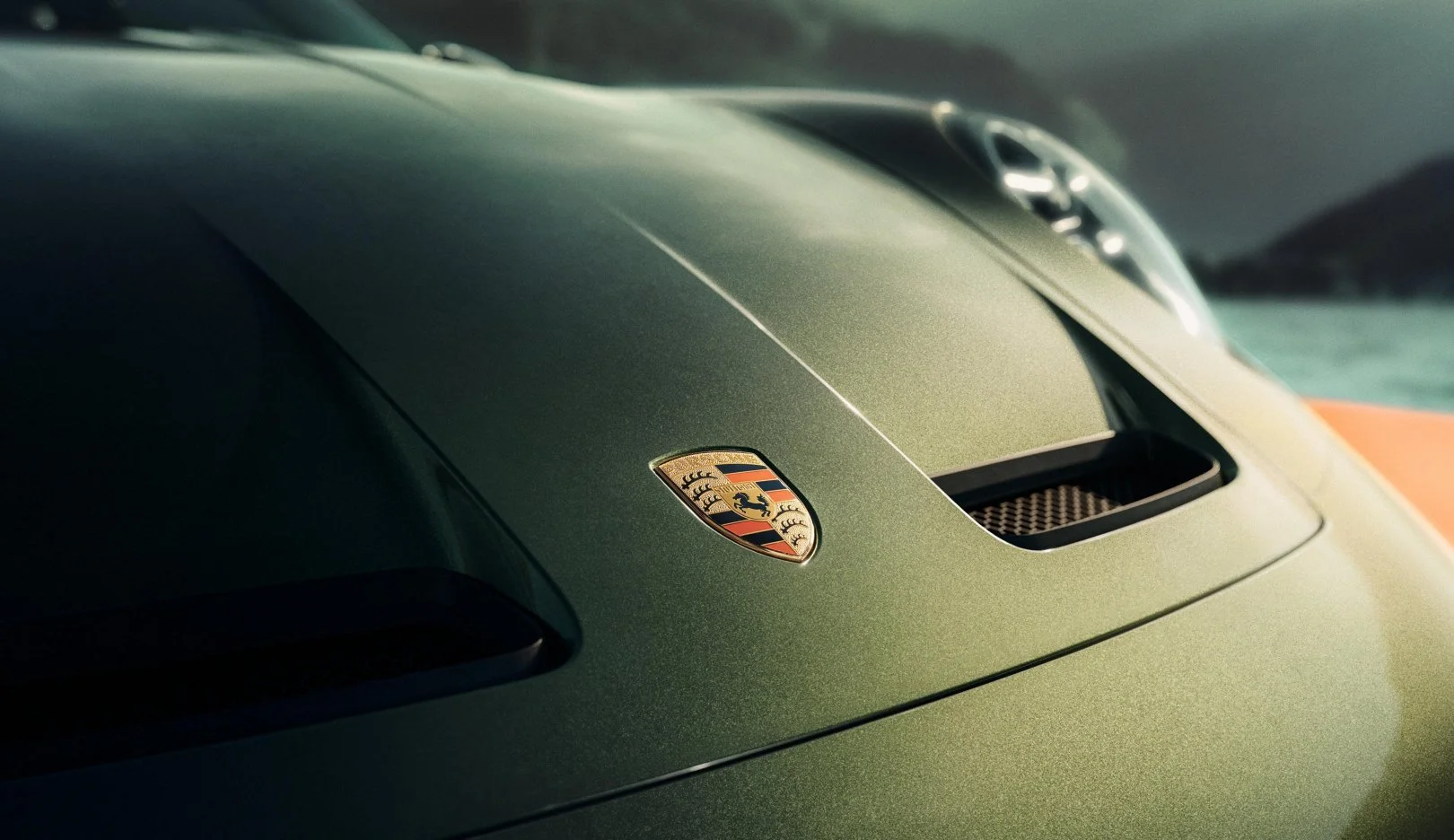
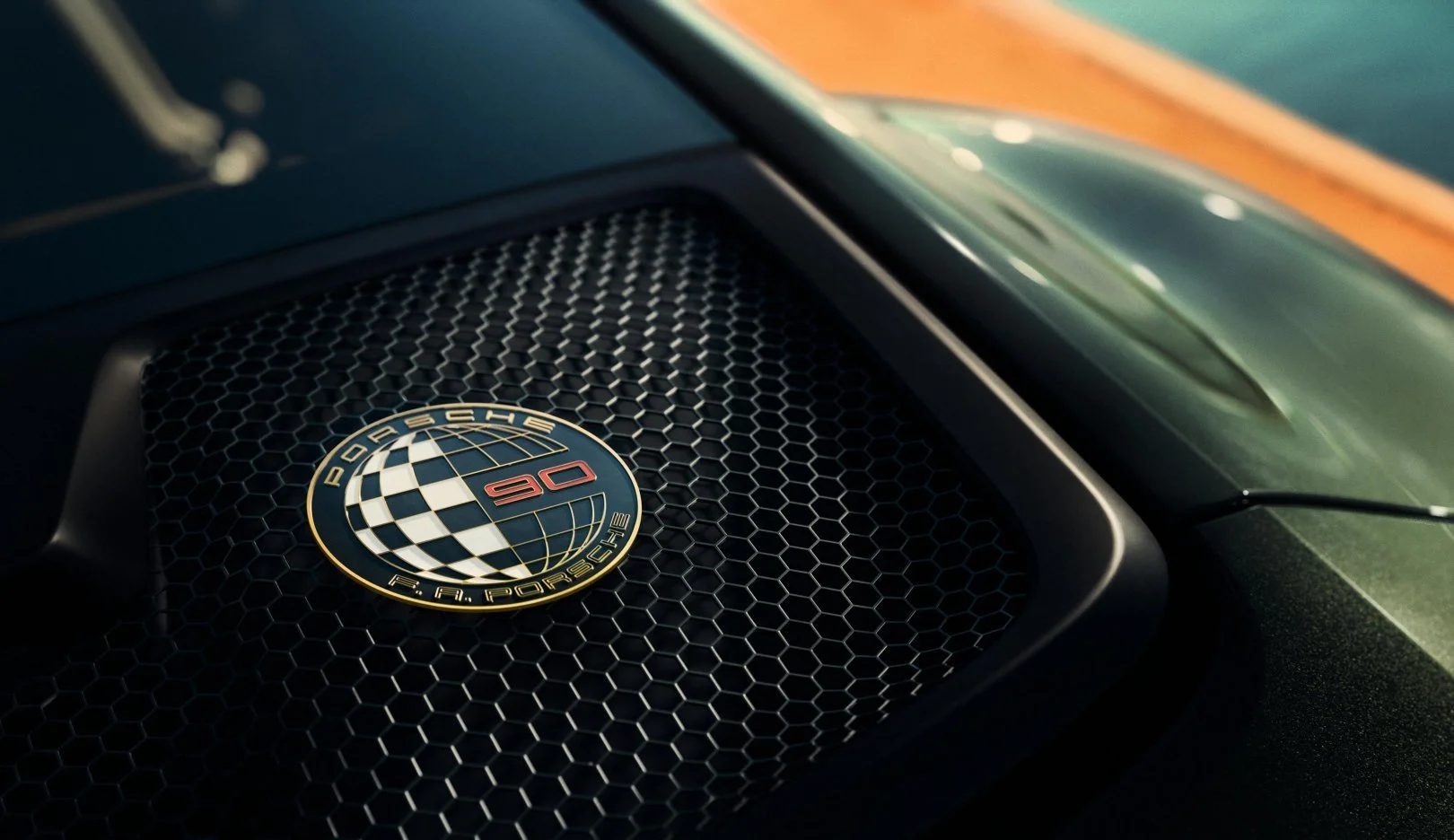
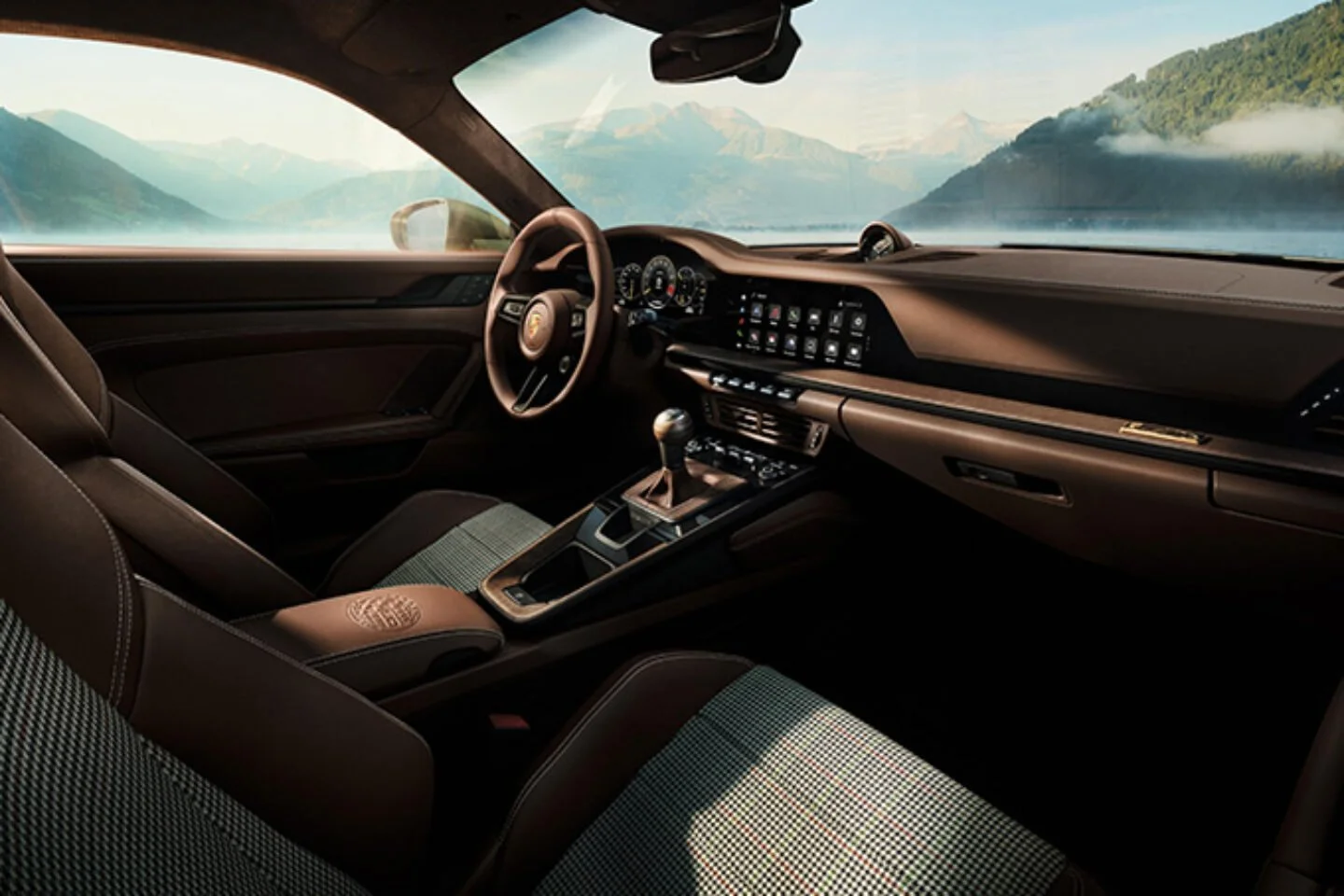
2027 Porsche 911 GT3 “90 F.A.” (992) Specifications
Engine: 4.0L naturally aspirated flat-six
Output: ~502 horsepower
Redline: 9,000 rpm
Transmission:
6-speed GT manual
7-speed PDK dual-clutch
Drivetrain: Rear-wheel drive
Chassis: Lightweight construction with motorsport-derived suspension
Design Focus: Function-first aerodynamics with subtle heritage cues
Like the original 911 F. A. Porsche helped design, the GT3 90 F.A. is not about luxury. It is about clarity of intent.
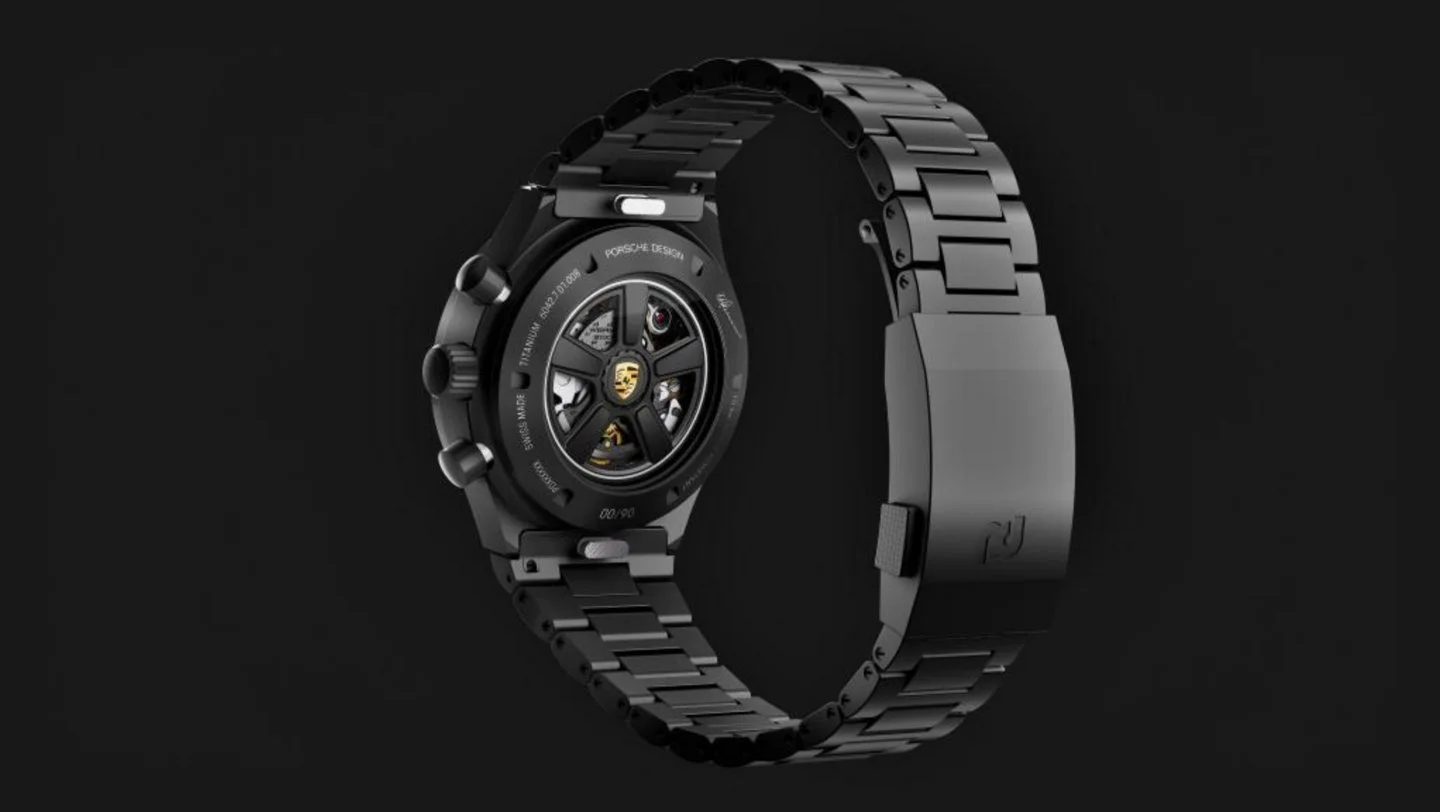
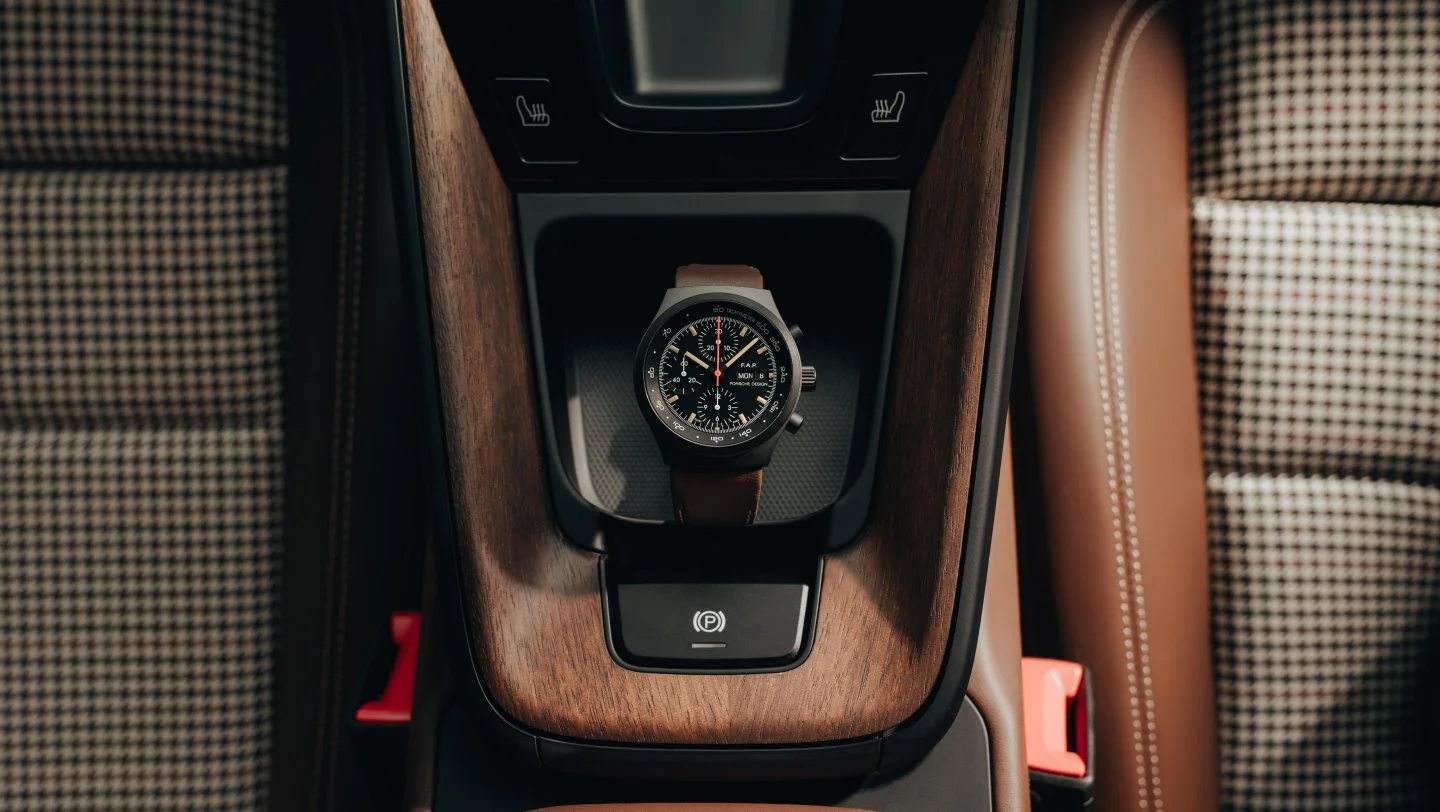
Porsche design Chronograph 1 – 1972 Limited Edition
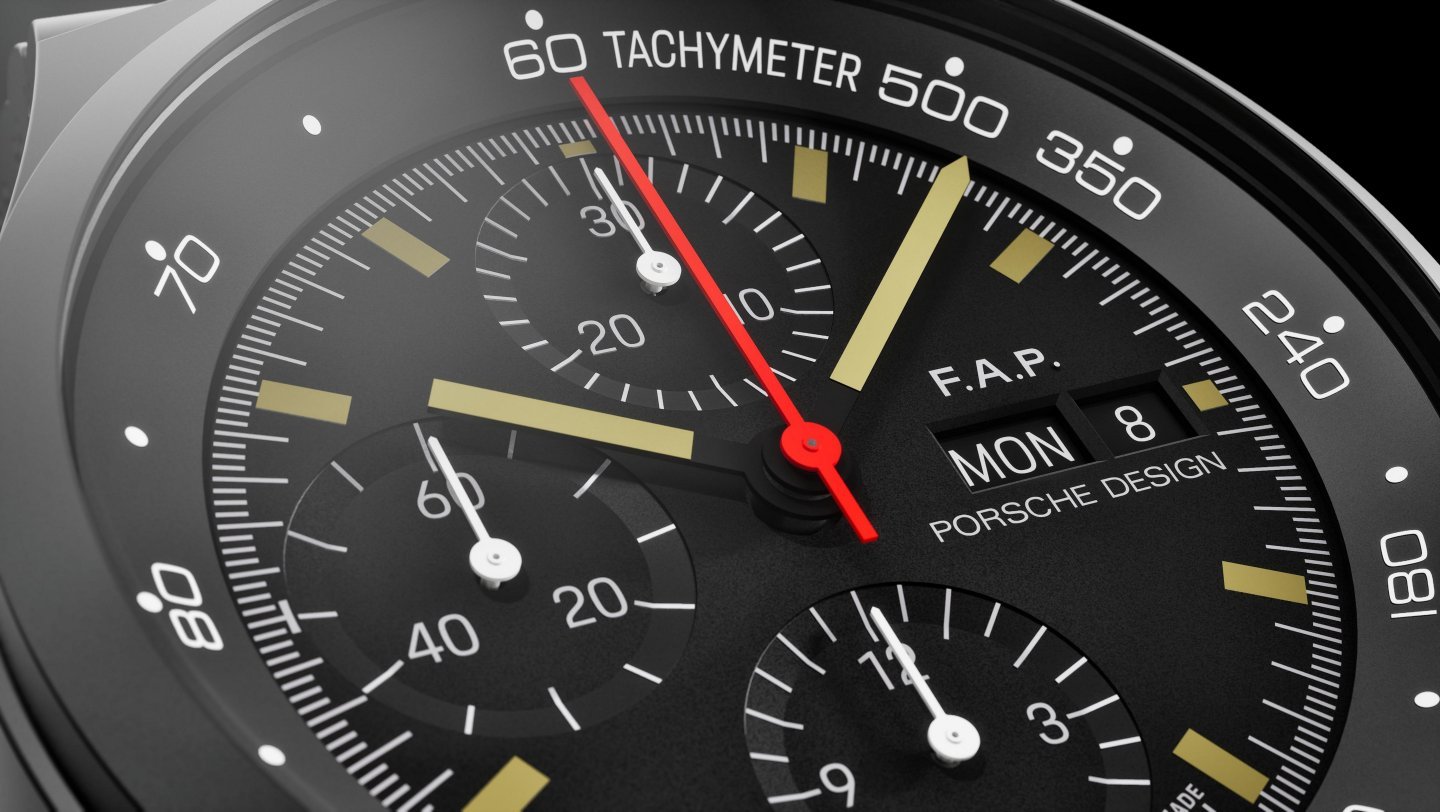
The Chronograph I is where Porsche Design began — and where modern tool-watch design quietly changed forever. Introduced in 1972 as the world’s first all-black wristwatch, it borrowed its logic directly from the 911 cockpit: matte black for zero glare, white markers for instant legibility, and a red chronograph hand for quick reference. It wasn’t designed to impress — it was designed to work.
Porsche design Chronograph 1 – 1972 Limited Edition — Specifications
Case: Black-coated titanium
Diameter: 40.8 mm
Dial: Matte black, F.A.P. Initials, Porsche Design displayed at 3 o’clock
Indices & Hands: White, luminous
Chronograph Hand: Red stop seconds
Movement: Porsche Design Calibre WERK 01.140
Certification: COSC chronometer
Functions:
Hours, minutes, small seconds
Chronograph (30-minute & 12-hour counters)
Day-date display
Tachymeter
Crystal: Sapphire with anti-reflective coating
Water Resistance: 100 meters
Production: Limited anniversary edition
One Philosophy, Two Scales
This pairing isn’t symbolic — it’s literal. Both the Chronograph I and the 911 GT3 “90 F.A.” follow the same rules:
Legibility over decoration
Function over trend
Longevity over novelty
Neither object asks to be admired first. They ask to be used. That is the quiet genius of Ferdinand Alexander Porsche. He did not design for attention. He designed for time.
And that is why — decades later — his work feels neither old nor new. It’s just right.
