
Vol. 26: 1996 Acura Integra GS-R × Seiko 5 Sports SNZF17J1
A Wrist & Wheel Study in High-Rev Joy and Honest Utility
Some machines don’t announce themselves immediately. They don’t perform for attention or try to impress at idle. Instead, they wait for you to meet them where they live—through use, repetition, and familiarity. The 1996 Acura Integra GS-R and the Seiko 5 Sports SNZF17J1 belong squarely in that category. Both were built to be attainable, both engineered with restraint, and both reward people who are willing to stay engaged.
This pairing isn’t about nostalgia or irony. It’s about understanding why certain tools endure long after louder, more expensive alternatives fade away.
The Car: Acura Integra GS-R
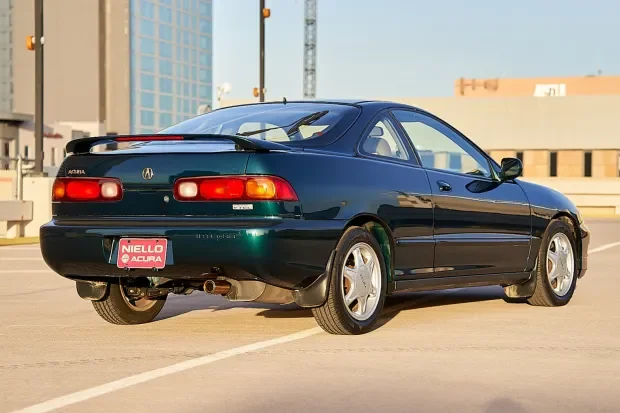
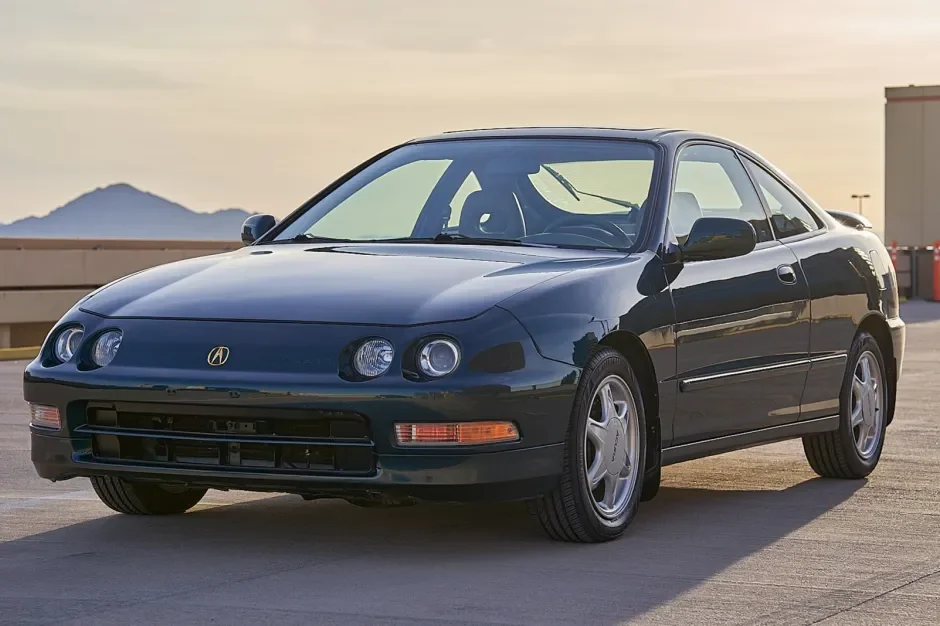
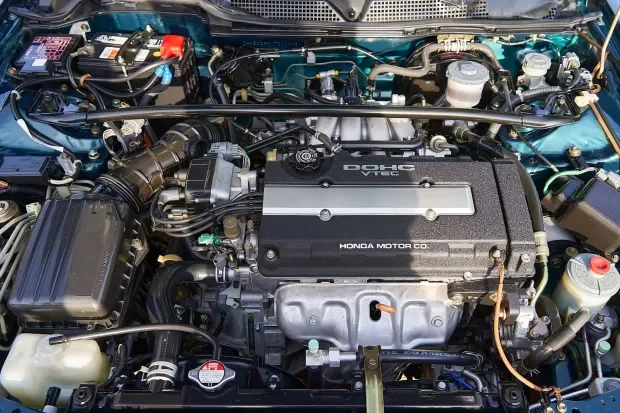
The Integra GS-R exists in a very specific moment in automotive history, when light weight, mechanical feedback, and driver involvement mattered more than headline horsepower figures. Powered by Honda’s 1.8-liter B18C1 DOHC VTEC engine, the GS-R doesn’t reveal its personality immediately. Below the VTEC crossover it’s composed and usable, but once you commit to the upper rev range, the car sharpens dramatically. The engine comes alive, the chassis responds, and the experience becomes far more intentional.
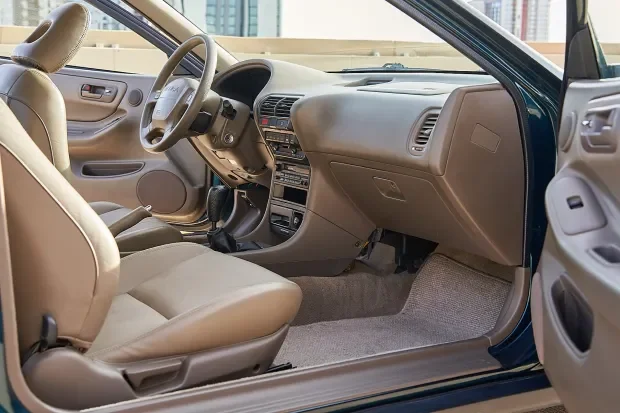
This is not a car that flatters lazy inputs. It asks you to downshift properly, to place the car precisely, and to stay patient through corners. Steering feel, braking confidence, and engine character all work together to reinforce the same lesson: speed isn’t about brute force. It’s about placement, timing, and discipline. The GS-R rewards drivers who understand that relationship.
Key Specifications
Engine: 1.8L DOHC VTEC inline-4 (B18C1)
Output: 170 hp @ 7,600 rpm
Torque: 128 lb-ft @ 6,200 rpm
Redline: 8,000 rpm
Drivetrain: Front-wheel drive, 5-speed manual
Curb Weight: Approx. 2,765 lbs
The Watch: Seiko 5 Sports SNZF17J1
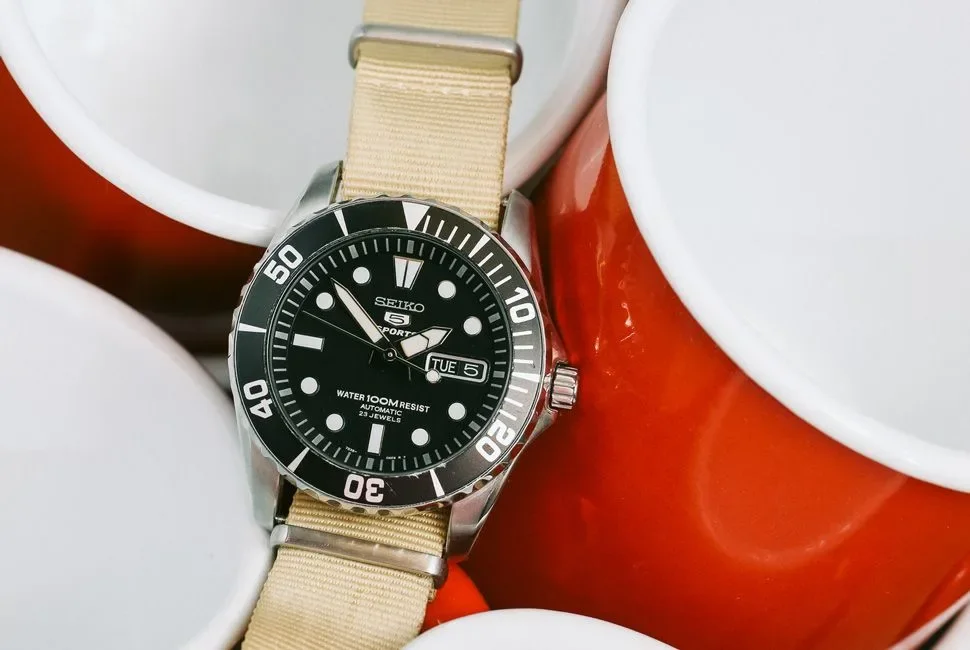
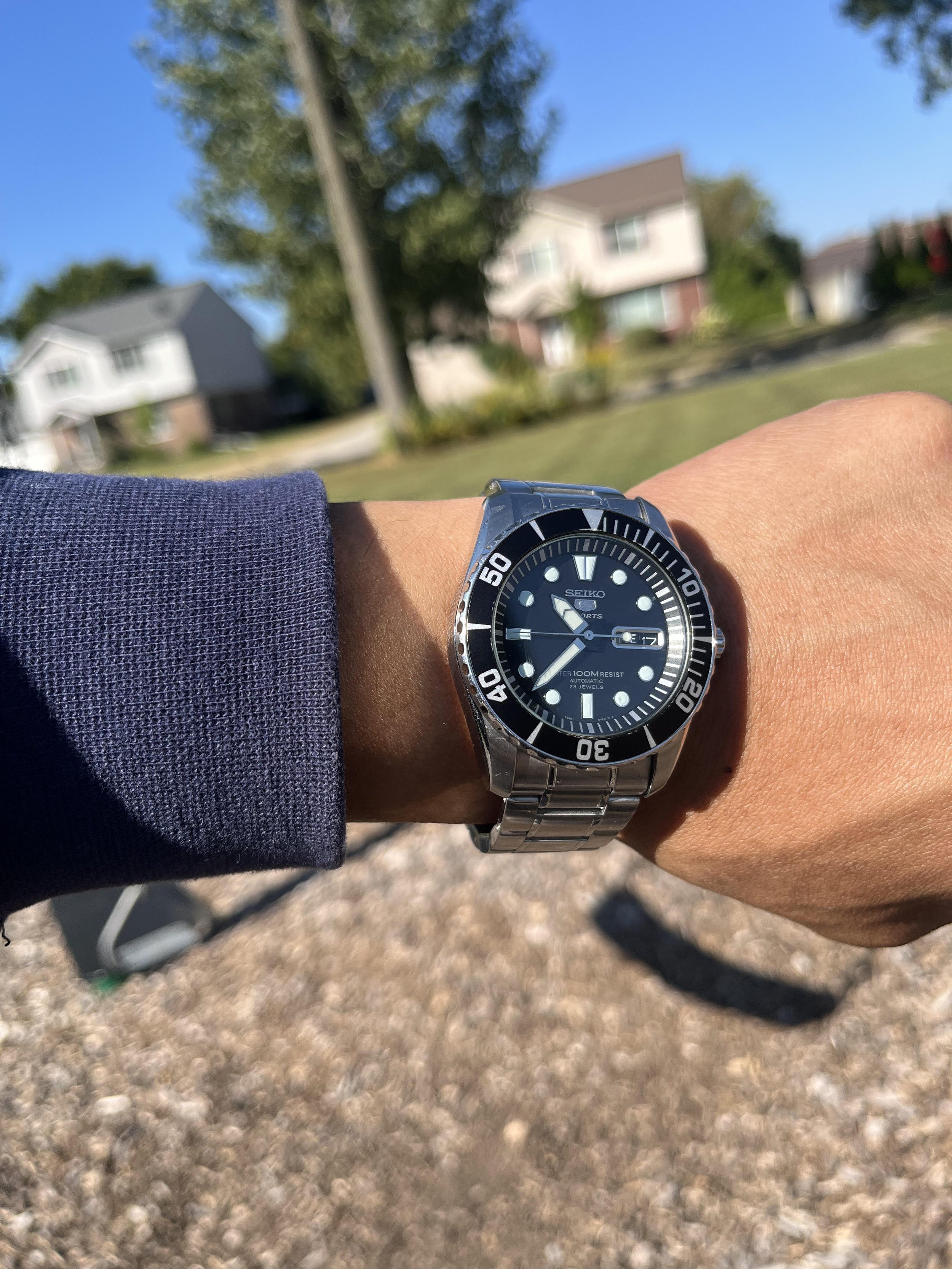
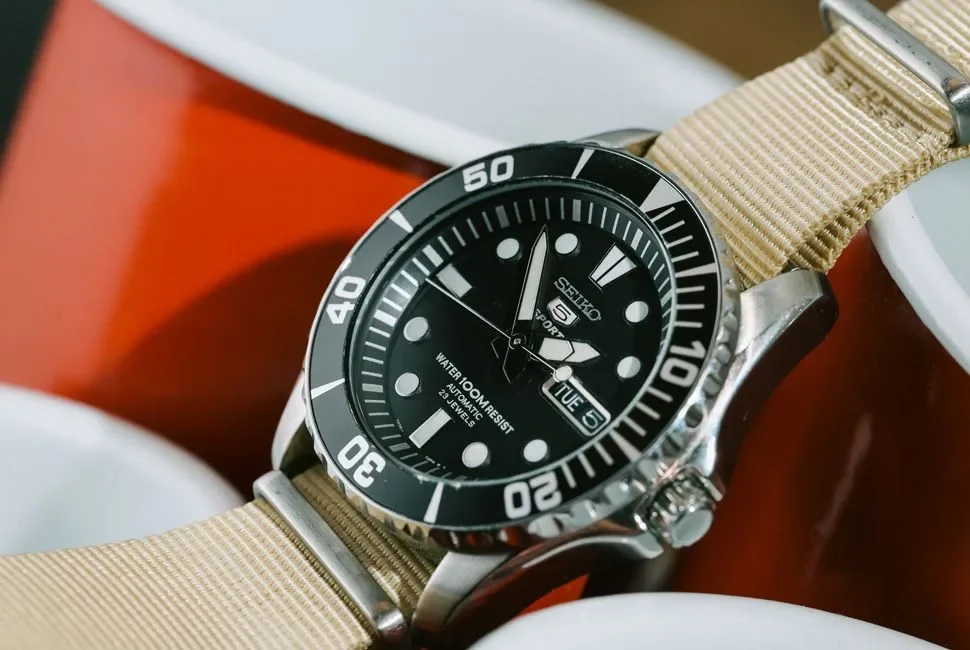
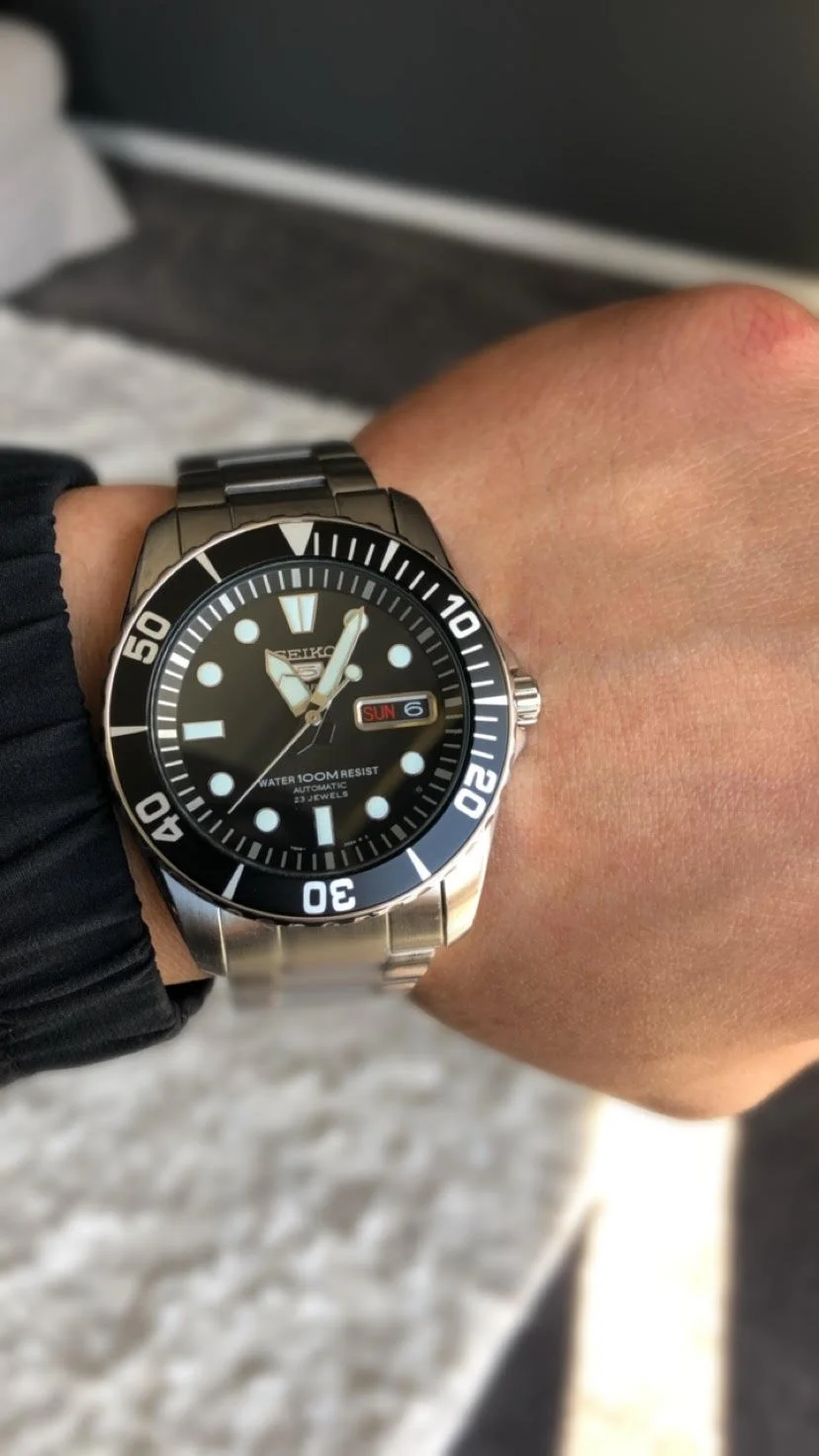
The Seiko 5 Sports SNZF17J1, often referred to as the “Sea Urchin,” follows a similarly honest philosophy. It doesn’t chase refinement for its own sake, nor does it rely on prestige to justify its existence. Instead, it prioritizes durability, legibility, and consistency. Its 7S36 automatic movement isn’t decorative or delicate—it simply runs, day after day, without complaint.
The stainless steel case is robust, the unidirectional bezel purposeful, and the Hardlex crystal accepts wear as a natural part of ownership rather than something to be avoided. This is a watch shaped by daily use: strap changes, small knocks, and long stretches of time on the wrist. Like the GS-R, it doesn’t impress instantly. It earns trust slowly, through repetition and reliability.
Key Specifications
Movement: Seiko 7S36 automatic, 23 jewels
Case Size: Approx. 41 mm
Crystal: Hardlex
Water Resistance: 100 meters
Bezel: Unidirectional dive-style
Lug Width: 22 mm
Shared Philosophy
Neither of these machines is optimized for convenience alone. The GS-R requires attention—correct gear selection, thoughtful braking points, and commitment to the engine’s upper range. The Seiko requires familiarity—understanding how it wears, how it fits into daily routine, and how it quietly becomes dependable over time. Both communicate through feel rather than numbers, and both remind you that mechanical things are meant to be engaged with, not abstracted away.
Both this watch and car are highly-customizable and withstand the test of time. Personally, I owned the Sea Urchin for over 15 years.
Culture Over Marketing
Neither the Integra GS-R nor the Sea Urchin became icons because a brand declared them to be. The GS-R earned its reputation because people drove it—hard, often, and everywhere. Owners tracked them, modified them, learned their limits, and proved their capability through use. The Sea Urchin followed the same path in watch culture. It wasn’t rare or exclusive, but it answered practical questions well. Could it be worn daily? Could it take abuse? Could it be personalized? The answer, consistently, was yes.
Both became community-built legends. Culture did the work marketing never could.
Wrist & Wheel Takeaway
This pairing isn’t about specifications or status. It’s about participation. The GS-R reminds you that driving is a skill, not a number on a spec sheet. The Seiko reminds you that timekeeping can be a daily ritual rather than a luxury statement. Neither chases attention, and neither asks for validation. They simply reward the people willing to meet them halfway—and that’s where the relationship begins.
