
Vol. 25: Ferrari 365 P Berlinetta Speciale × Urwerk UR-10 Spacemeter
Some machines are built to prove something. Others are built to reframe something.
The Ferrari 365 P Berlinetta Speciale “Tre Posti” was never meant to win a race. In 1966, it existed to change the question—specifically, where the human belongs inside a machine.
The Urwerk UR-10 Spacemeter does the same thing on the wrist. It tells time conventionally, then refuses to let you stay there. It converts time into distance—because in real life, time is inseparable from motion.
This pairing isn’t about speed…it’s about position. And what changes inside you when a machine makes you feel like you’re not observing the world—you’re navigating it.
The Car: Ferrari 365 P “Tre Posti” (1966)
Designed by Pininfarina, the Tre Posti was never meant to be a production car. It was a thought experiment—one that questioned something most cars never do: where the driver should sit.
Instead of the traditional left- or right-hand position, the Tre Posti places the driver dead center, forward and elevated beneath a glass canopy. Two passenger seats sit slightly behind, offset to either side.
This wasn’t a styling exercise. It was cockpit logic.
Built on Ferrari’s 365 P competition platform, the car carries a mid-mounted V12 and an aerodynamic body shaped with intent rather than ornament. The result feels closer to an aircraft than a grand tourer.
The Tre Posti doesn’t try to impress with excess. It communicates clarity. Everything is arranged around the person responsible for the machine.
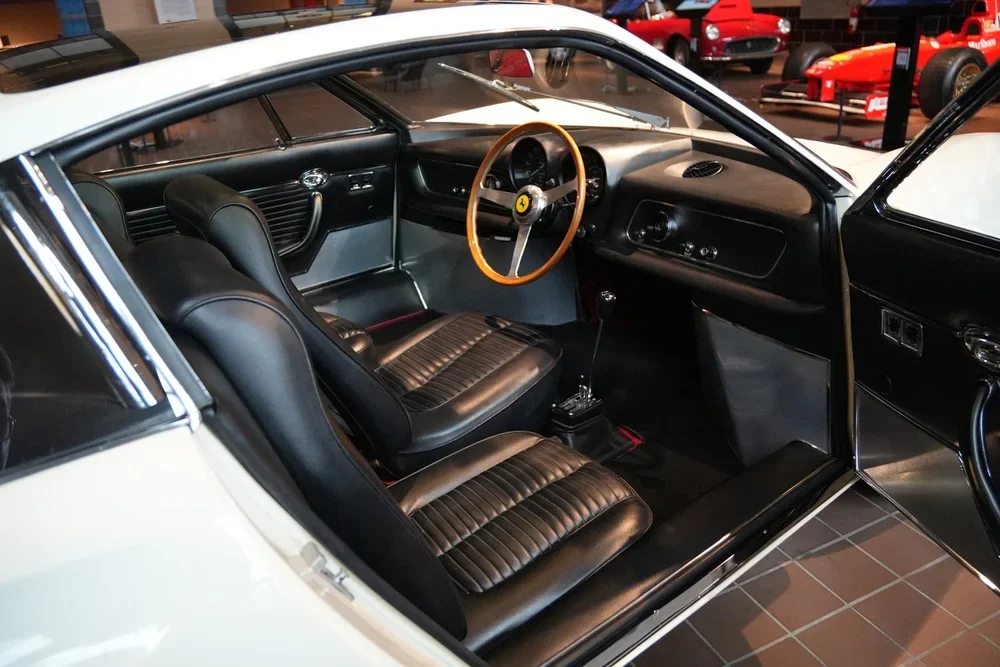
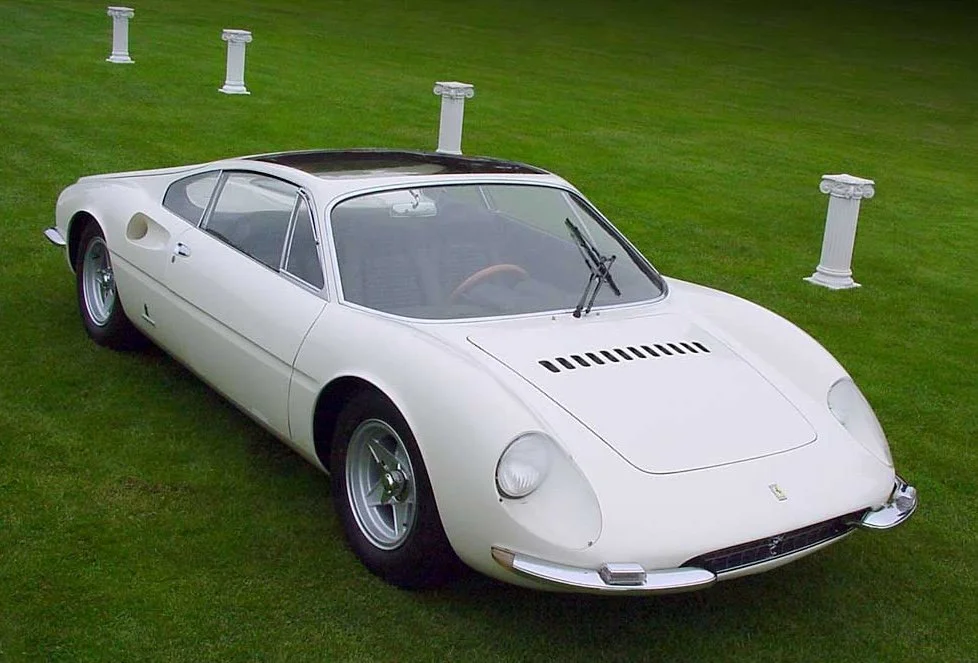
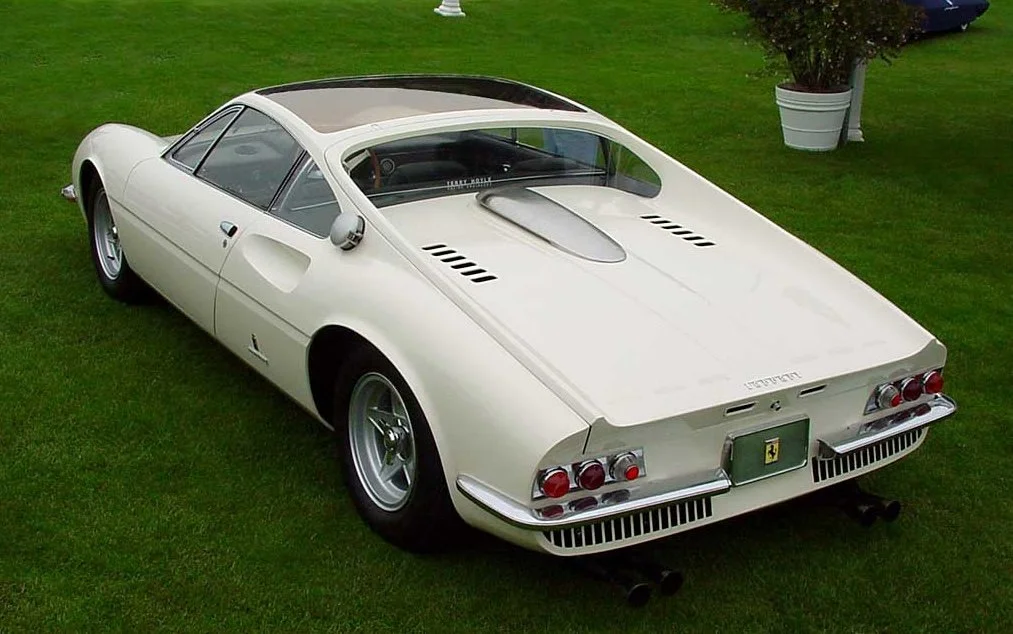
Ferrari 365 P Berlinetta Speciale (1966) specs
Designer: Pininfarina
Layout: Mid-engine, rear-wheel drive
Engine: 4.4L V12
Power: ~380 hp
Chassis: Ferrari 365 P competition platform
Body: Hand-formed aluminum
Notable Feature: Center driving position
Why the Tre Posti Matters
Three seats are easy to dismiss as novelty—until you realize what’s being rejected.
The Tre Posti refuses default thinking. It questions inherited layouts and accepted norms. If performance and connection are the goals, why wouldn’t the driver be the axis of the car?
That question is why the Tre Posti still feels relevant today. It isn’t loud. It isn’t sentimental. It’s precise.
the watch: Urwerk UR-10 Spacemeter
Where the Tre Posti centers the driver in space, the UR-10 recenters the wearer in motion.
At first glance, the UR-10 looks almost conventional. Central hands. Familiar proportions. Then you notice what it’s actually measuring.
The Spacemeter translates time into distance traveled—Earth’s daily rotation, Earth’s orbit around the sun, and a combined “ORBIT” display that merges both trajectories. Even standing still, you are moving. The watch refuses to let you forget that.
Urwerk reinforces this philosophy mechanically. The UR-10 platform features the brand’s patented dual-flow turbine winding control—airflow logic applied to an automatic system, regulating energy intake the way an engine manages breathing.
This isn’t elegance for its own sake. It’s physics made wearable.
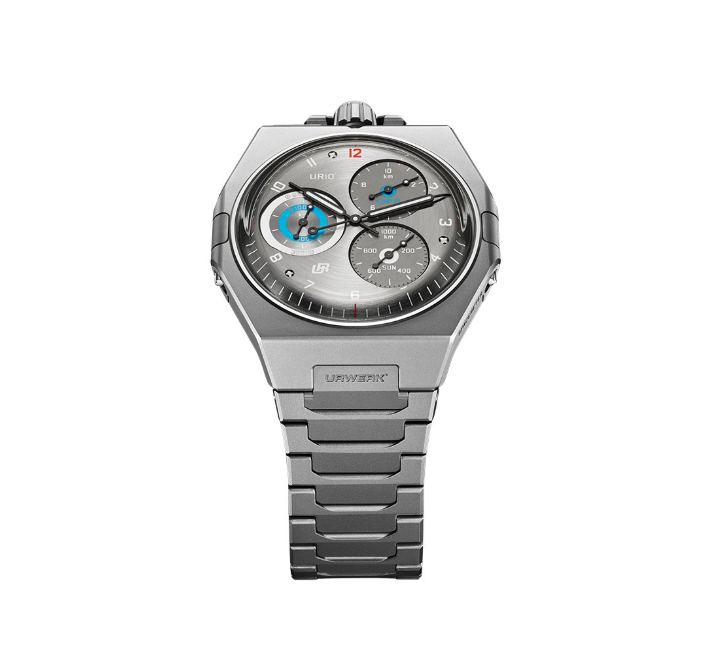
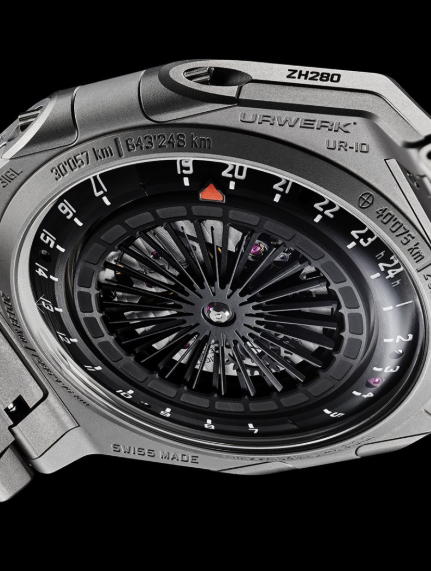
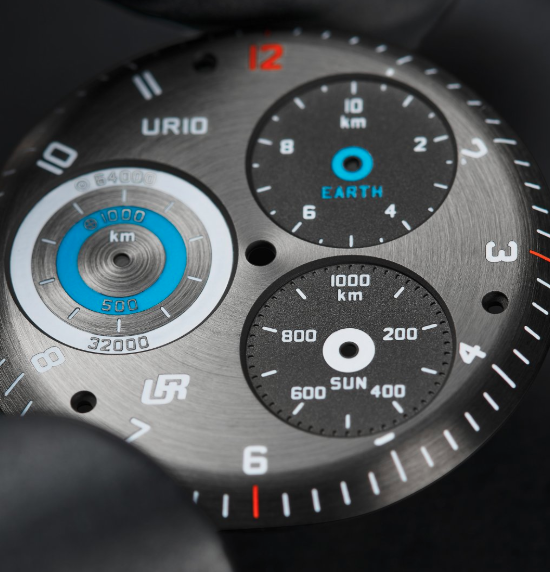
Urwerk UR-10 “Spacemeter” specs
Movement: Automatic (UR-10.01)
Display: Central hours/minutes + cosmic distance counters
Measures:
Earth’s daily rotation
Earth’s orbit around the sun
Combined “ORBIT” distance
Key Tech: Dual-flow turbine winding regulator
Case: Titanium
Water Resistance: 30 m
Why the UR-10 Matters
Most watches make time feel abstract. The UR-10 makes it feel physical. It treats minutes as distance, days as motion, life as trajectory. This isn’t a complication meant to impress—it’s a reminder of scale.
The UR-10 doesn’t ask you to admire time. It asks you to understand where you are inside it.
Martin Frei’s UR-10 Spacemeter is not a complication so much as a cosmic ethic. By translating Earth’s motion into visible distance on the wrist, Frei reminds us that time is inseparable from movement, and that we are always in transit even when standing still. This mirrors the radical logic of the Ferrari 365 P “Tre Posti,” which repositioned the driver not for spectacle, but for clarity. Where Pininfarina centered the human in space, Frei centers the human in time. Together they suggest that mastery begins not with speed, but with where and how you choose to sit inside the systems carrying you forward.
Why This Pairing Works
Both treat the human as the axis. The Tre Posti centers the driver physically. The UR-10 centers the wearer cognitively, by reframing time as movement through space.
Both speak in cockpit language. The Ferrari feels like aviation—forward view, central authority, controlled environment. The Urwerk reads like navigation equipment—simple at a glance, profound underneath.
Both turn design into an argument. Neither is built to be universally liked. They’re built to be correct within their own logic.
The Tre Posti argues the driver should be the centerline. The UR-10 argues time is incomplete without context. Together they say: You don’t master machines by admiring them. You master them by understanding where you are inside them.
