
Vol. 30: 1977 Ferrari 308 GTB × Heuer Monza ref. 150.501
Today, on the birthday of Niki Lauda, it feels appropriate to talk about recalibration. Not reinvention… not reinvention theater… it’s recalibration.
Mid-1970s Ferrari was brilliant—but brittle. Speed was there. Discipline was not. The Scuderia needed structure as much as horsepower. Lauda brought both.
And while Formula 1 was being reset at Maranello, something similar was happening on the road—and on the wrist.
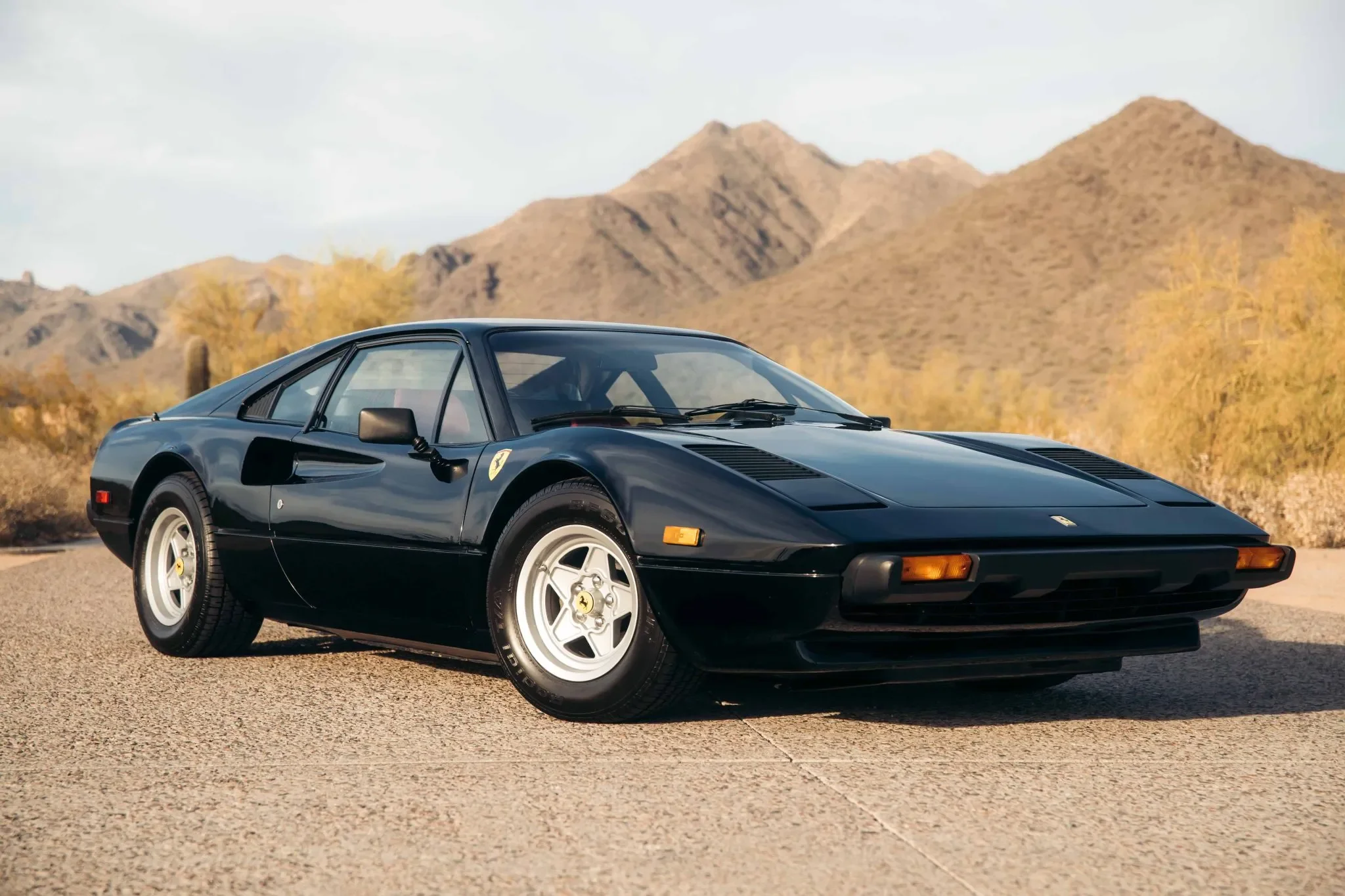
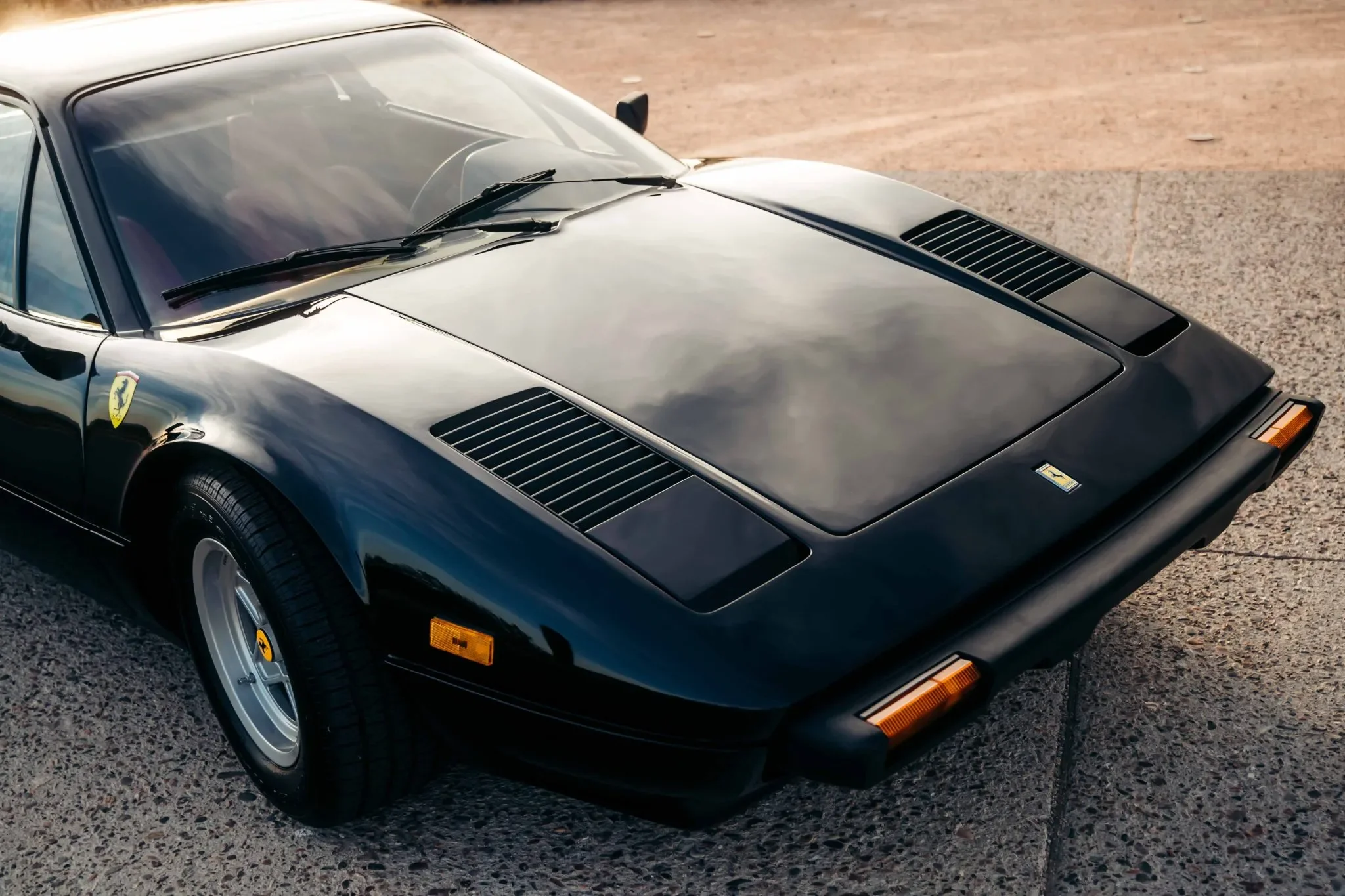
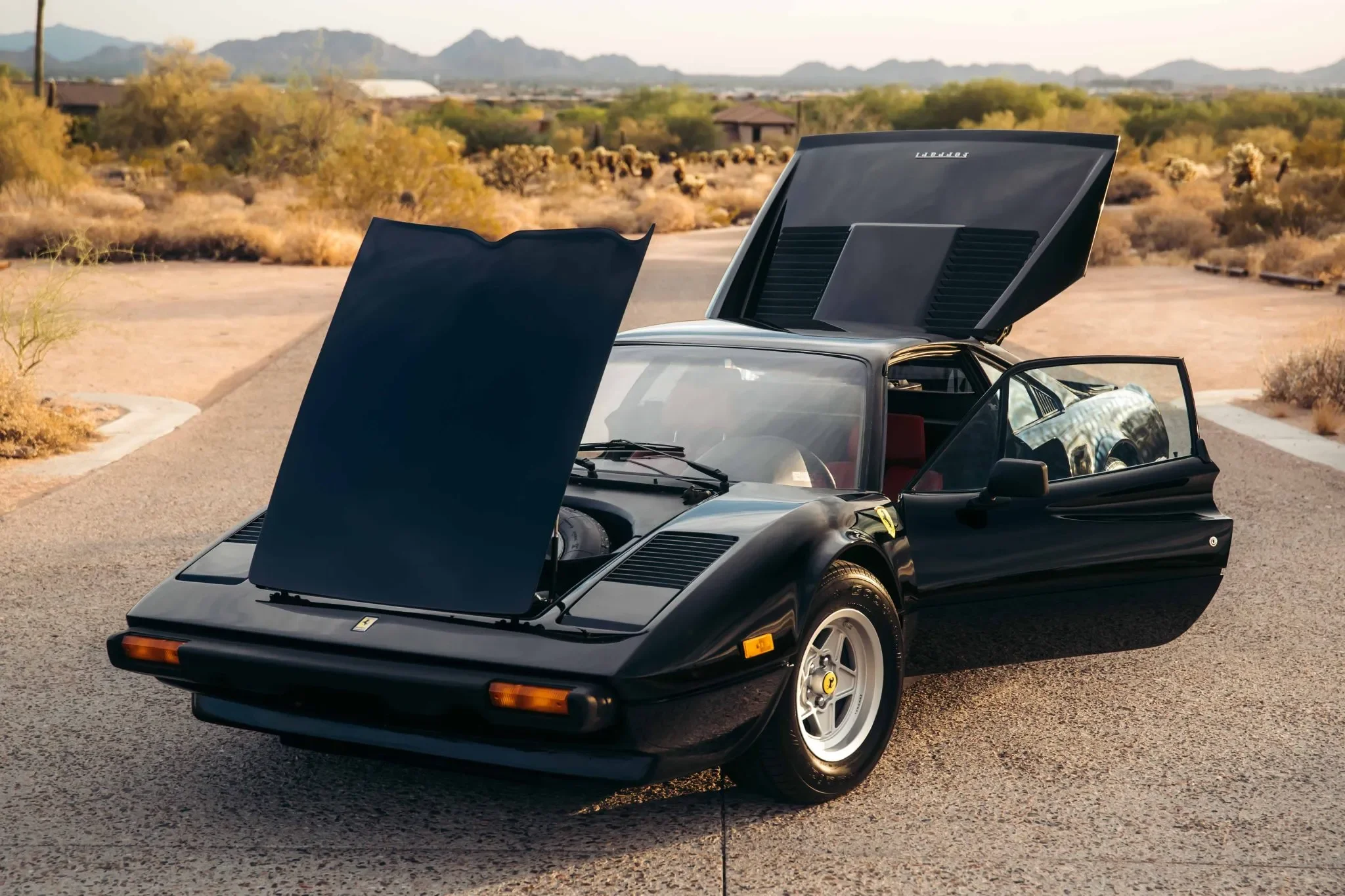
The Wheel: Ferrari 308 GTB
When Ferrari introduced the 308 GTB in 1975, it marked a shift.
The drama remained. The noise remained. But the chaos softened.
Designed by Leonardo Fioravanti at Pininfarina, the 308 GTB carried clean wedge lines and compact proportions. Early cars featured lightweight fiberglass (vetroresina) bodies—focused, almost homologation-like in feel—before transitioning to steel production.
This wasn’t the unfiltered brutality of earlier V12s. It was mid-engine balance, accessible power, and a platform Ferrari could refine.
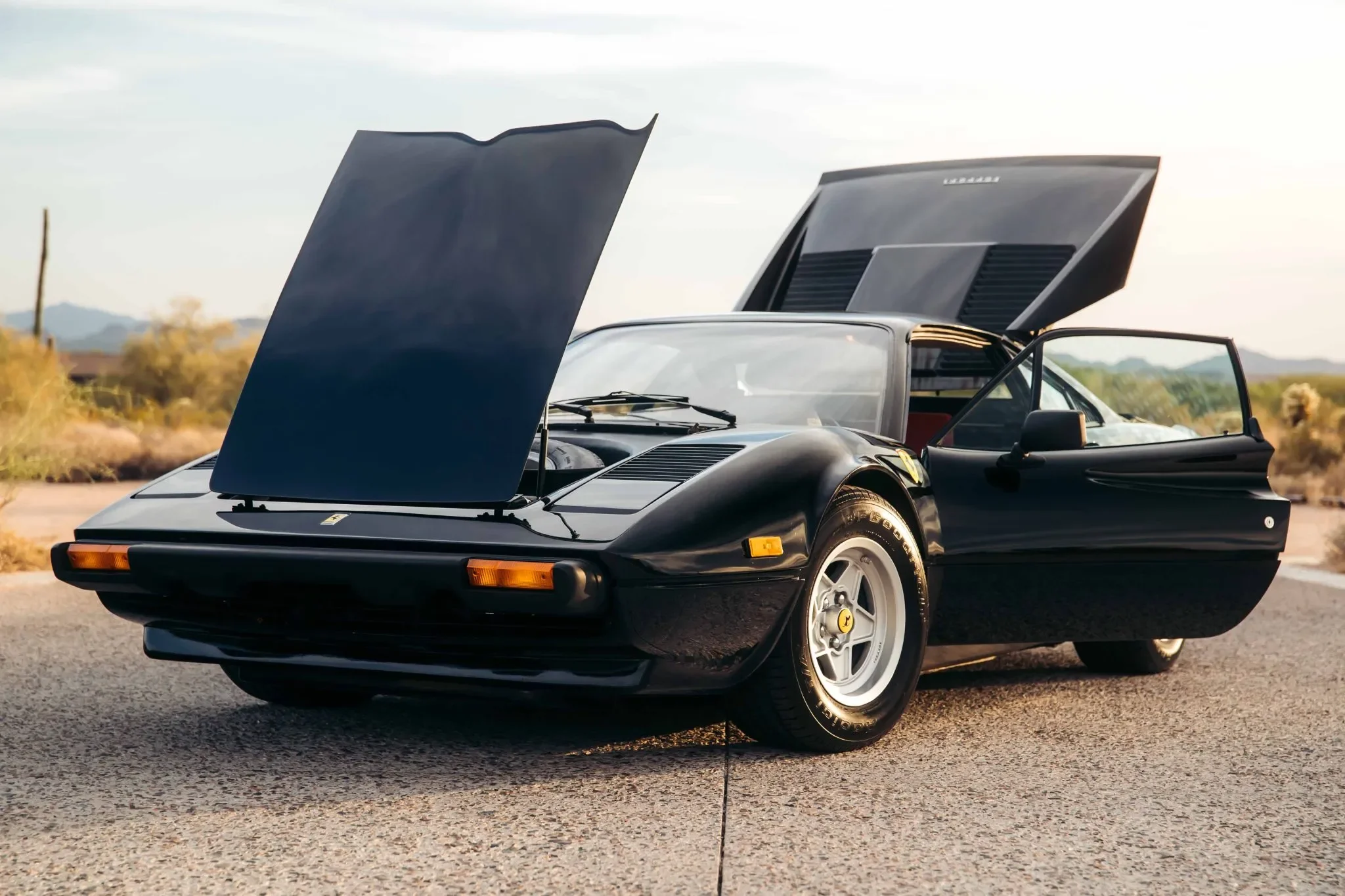
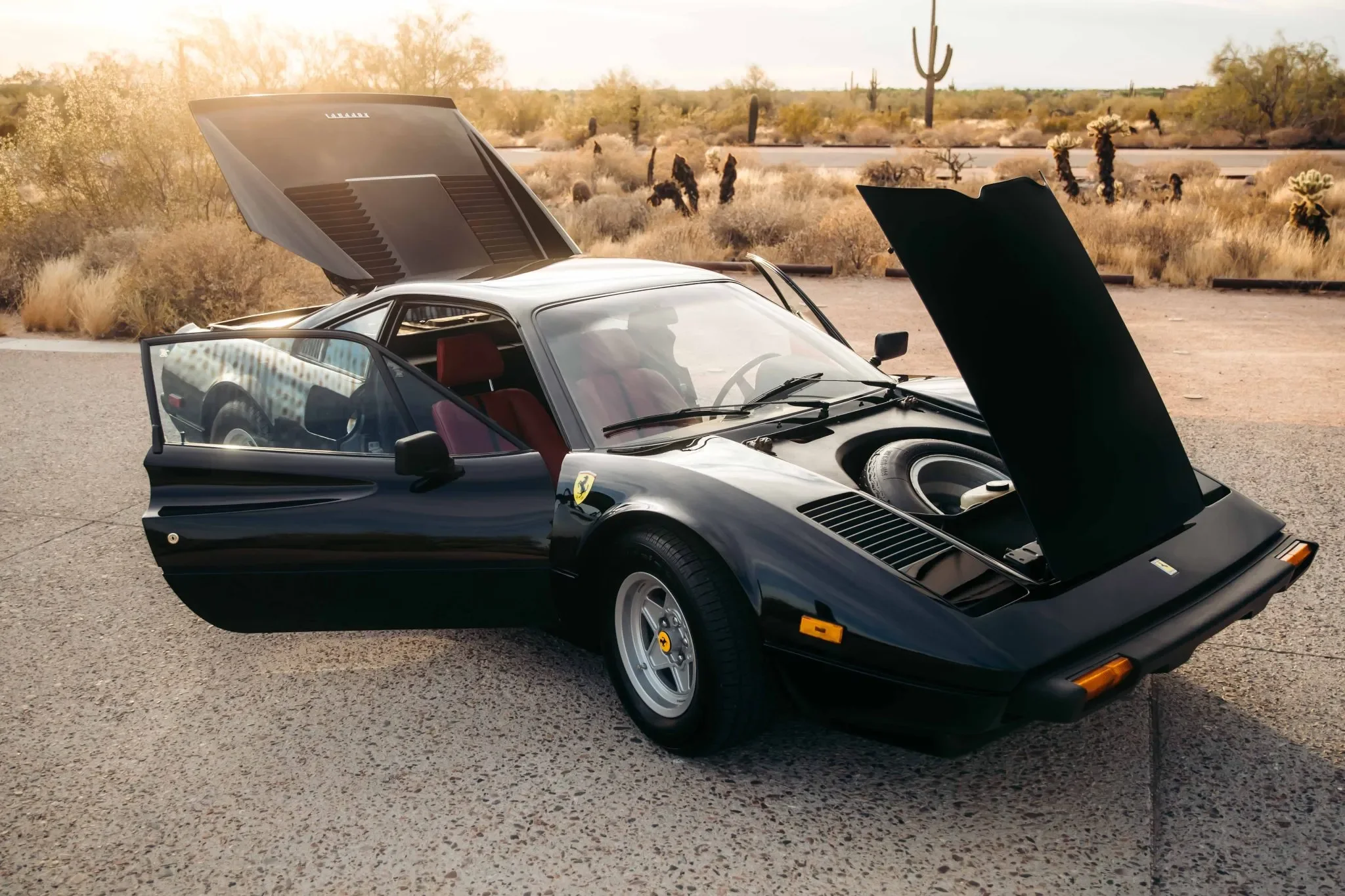
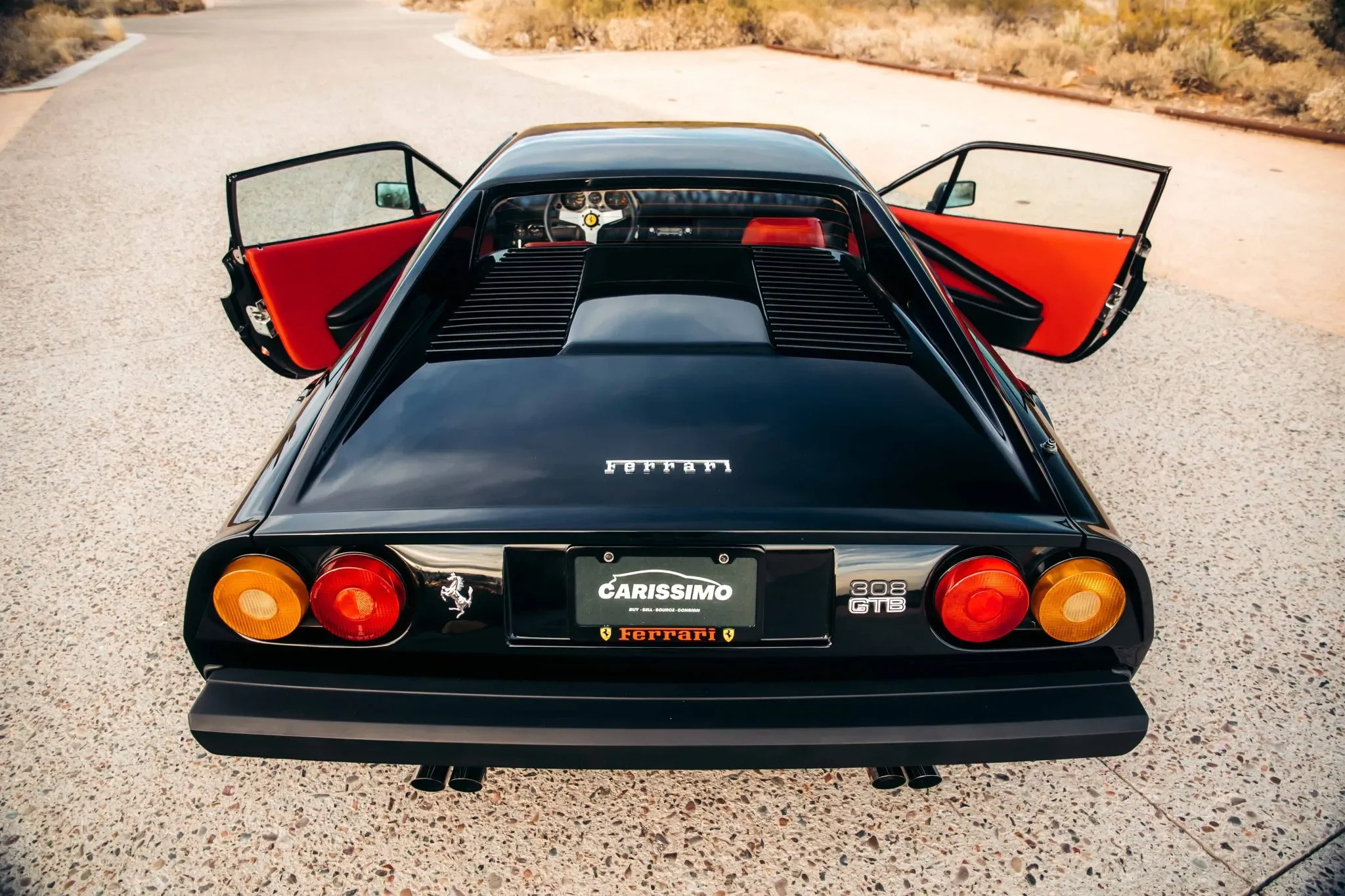
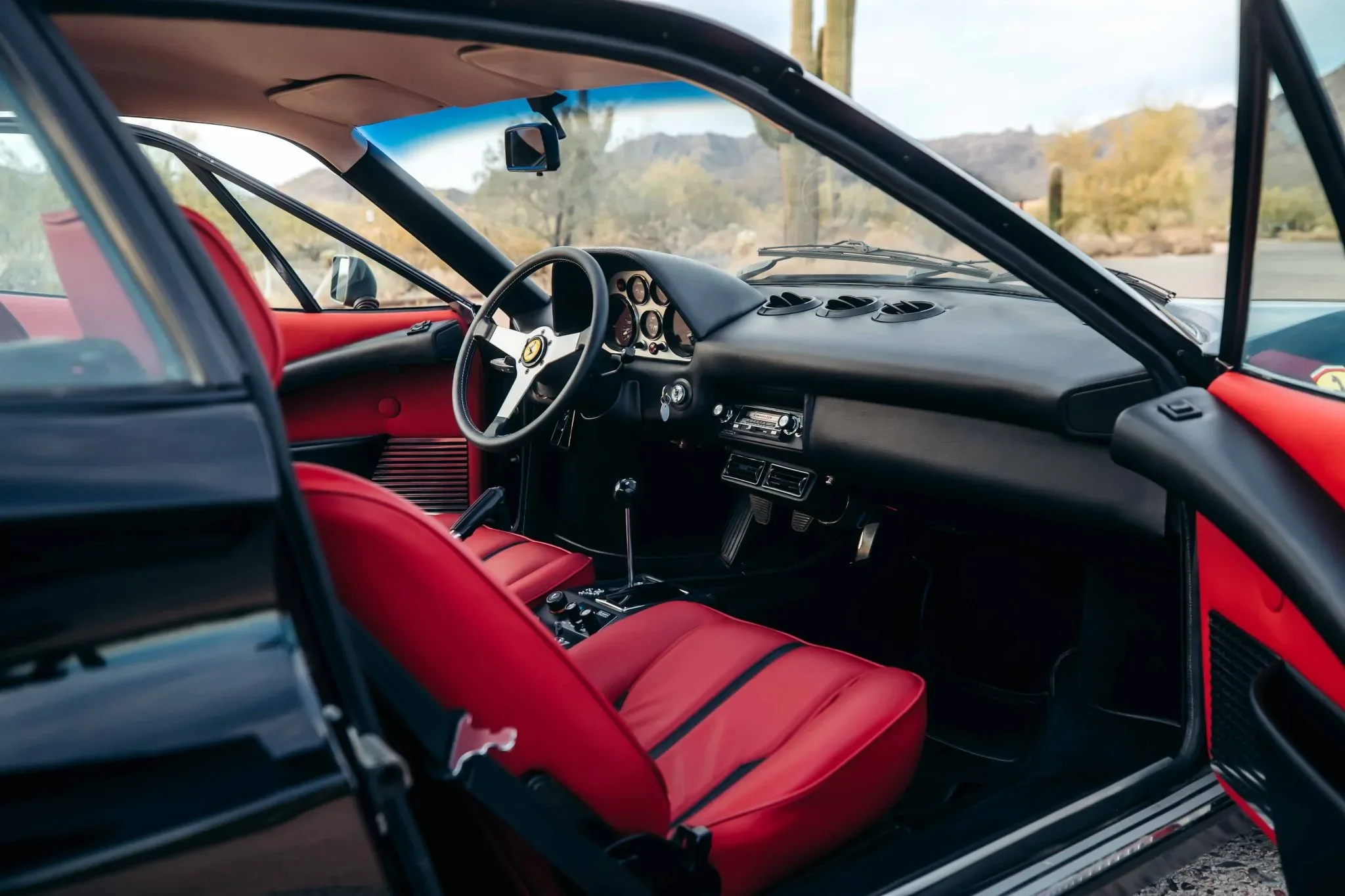
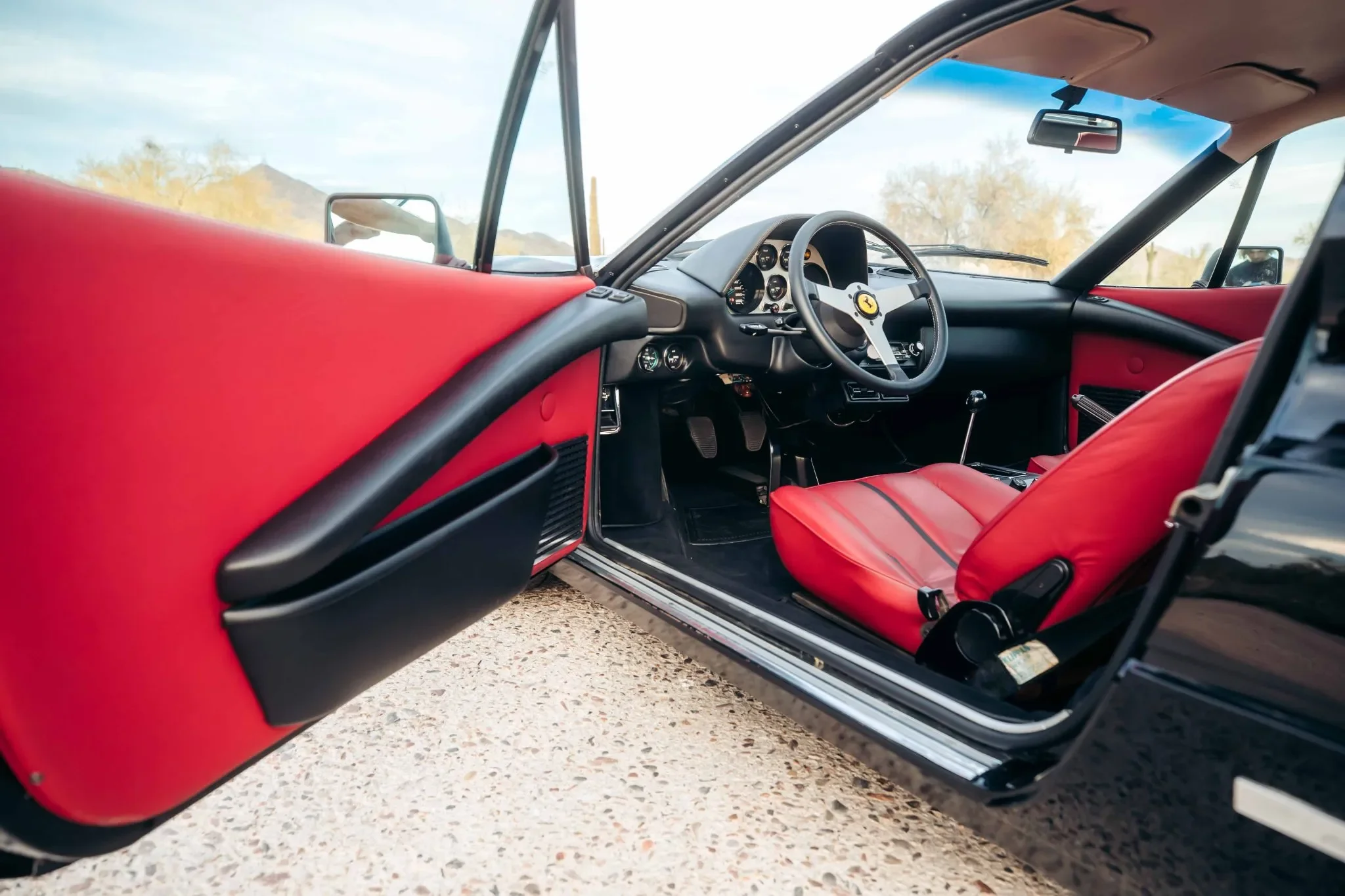
308 GTB Specs (Early Carbureted Version)
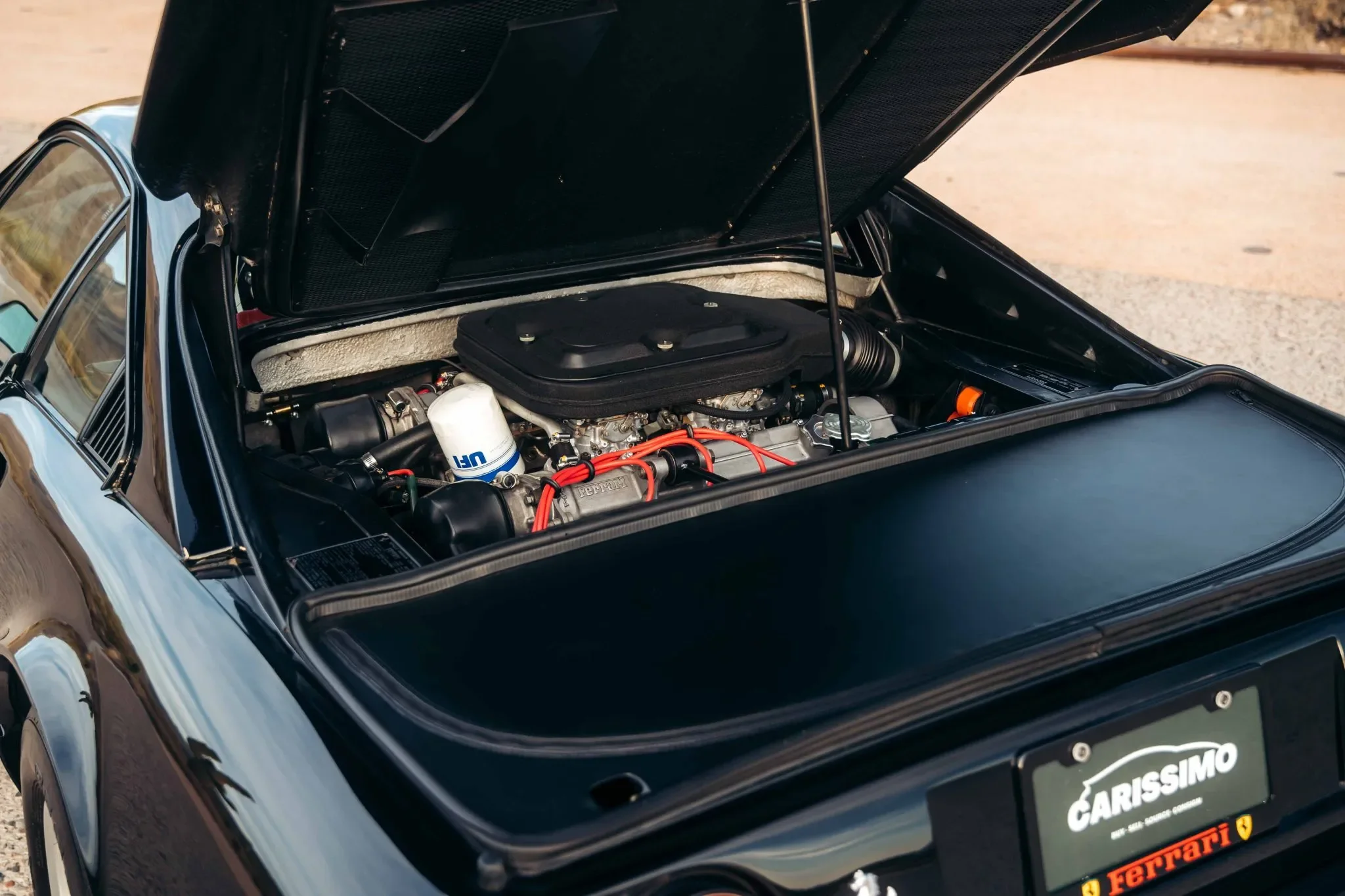
2.9L Tipo F106 V8
Four Weber carburetors
~255 horsepower (European spec)
5-speed manual
0–60 mph: ~6.5 seconds
Top speed: ~155 mph
The 308 didn’t shout supremacy. It restored credibility.
Under Lauda’s influence, Ferrari returned to technical discipline in Formula 1—winning the Constructors’ Championship in 1975. On the road, the 308 became the face of a more measured Ferrari. Still emotional. But engineered.
The Wrist: Heuer Monza Ref. 150.501
The Monza name exists because of Lauda.
In 1975, after Ferrari secured both the Drivers’ and Constructors’ titles, Heuer commemorated the achievement with a chronograph named after the Italian circuit where the championship was sealed.
The original Monza (ref. 150.501) stood apart visually and mechanically.
Black PVD case. Red accents. A racing dial without unnecessary flourish.
Inside: the automatic Caliber 15—part of the early automatic chronograph architecture that reshaped the category at the dawn of the 1970s. Left-side crown. Offset subdials. A layout that felt unconventional because it was.
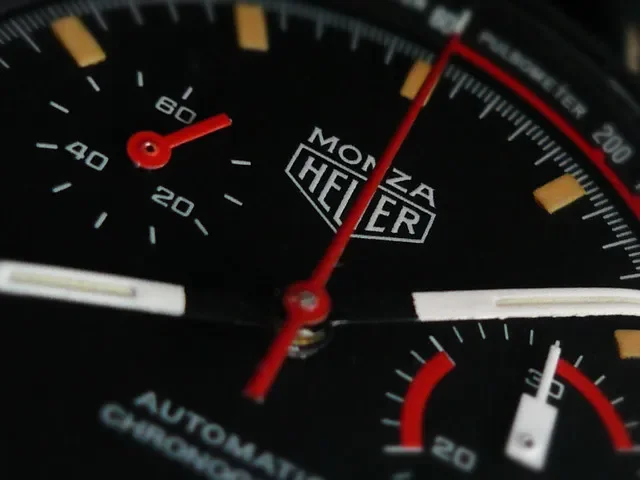
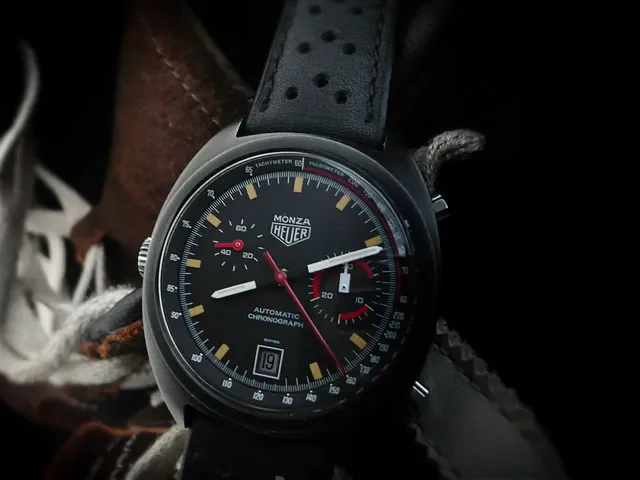
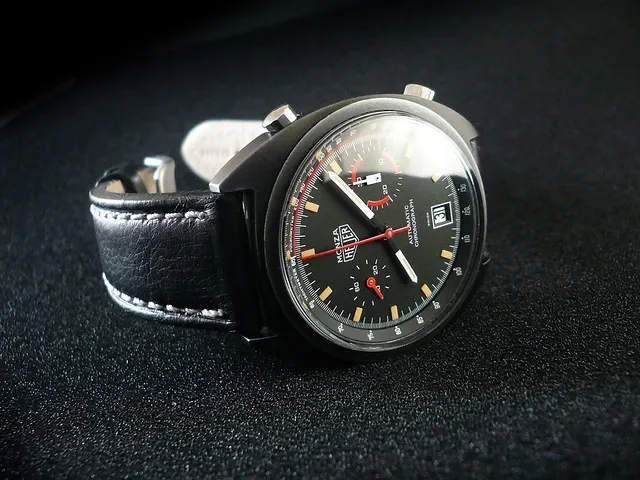
Heuer Monza 150.501 Specs
39mm black PVD-coated case
Automatic Caliber 15 (based on Chronomatic architecture)
Chronograph function
Date at 6 o’clock
Acrylic crystal
Red dial accents inspired by Ferrari livery
The Monza wasn’t designed to be timeless. It was designed to mark a turning point.
Why This Pairing Works
The 308 GTB and the Monza share the same energy:
Both arrived after a period that demanded change.
Both balanced performance with renewed control.
Both carried Ferrari’s red into a more focused era.
Lauda didn’t romanticize racing. He analyzed it. He optimized it. He recalibrated it.
The 308 GTB feels like that mindset translated into aluminum and fiberglass. The Monza feels like that mindset captured in PVD and steel.
Neither is the loudest Ferrari. Neither is the most complicated chronograph.
But both represent something harder to achieve than speed: Stability.
On Lauda’s birthday, it’s worth remembering that greatness doesn’t always come from adding more. Sometimes it comes from stripping back to what matters—and rebuilding correctly.
