
A pairing about authorship, restraint, and the refusal to scale away the soul.
Some machines are built to dominate a market. Others are built to defend an idea. The Kimera Automobili EVO37 and the F.P. Journe Chronomètre Bleu belong firmly in the second category.
One is a modern reinterpretation of the Lancia Rally 037, the machine that delivered Lancia the 1983 World Rally Championship—and the last rear-wheel-drive car ever to do so.
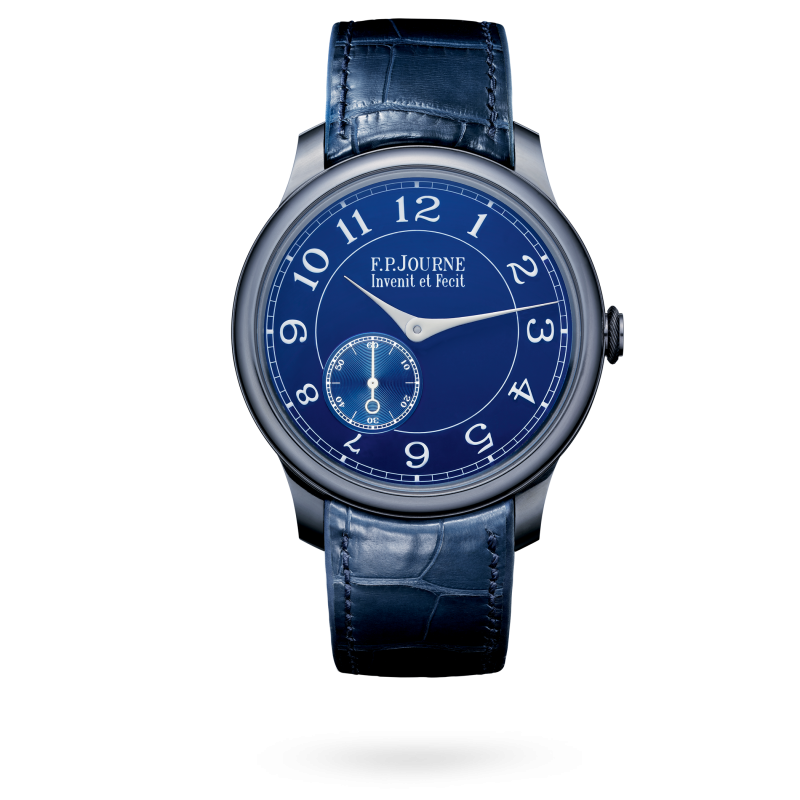
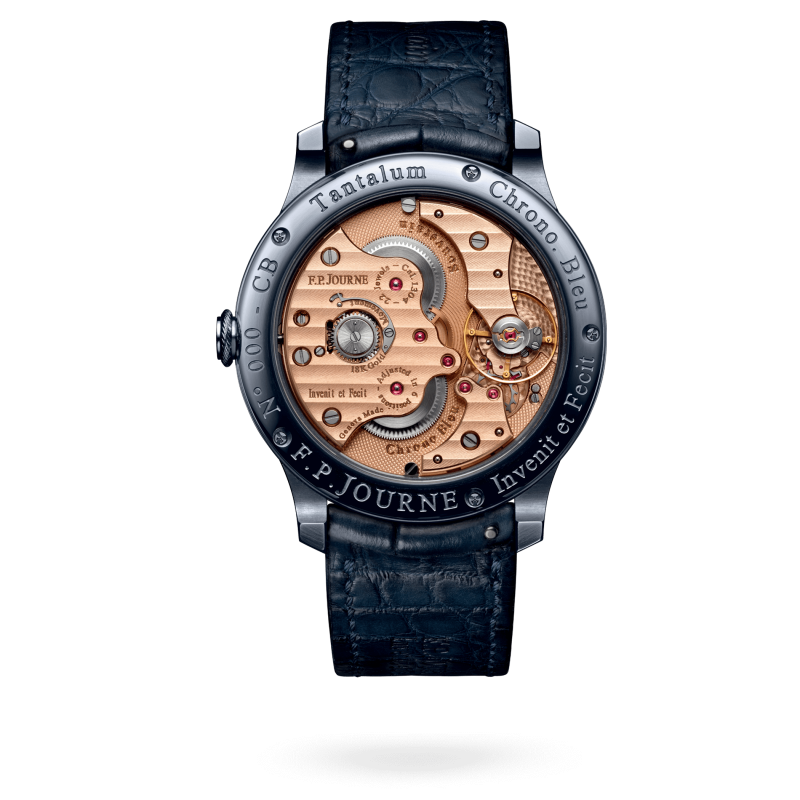
The other is a deceptively simple chronometer created by François‑Paul Journe, housed in tantalum and powered by a manually wound movement in solid rose gold.
Both exist in industries increasingly driven by scale, marketing velocity, and industrial efficiency. Both answer with something else: authorship, tactility, and conviction.
That is why this pairing works. Not because the dial is blue and both are rare, but because both machines are built around a philosophy Wrist & Wheel understands deeply: craftsmanship and engineering rather than scale.
The Historical Parallel
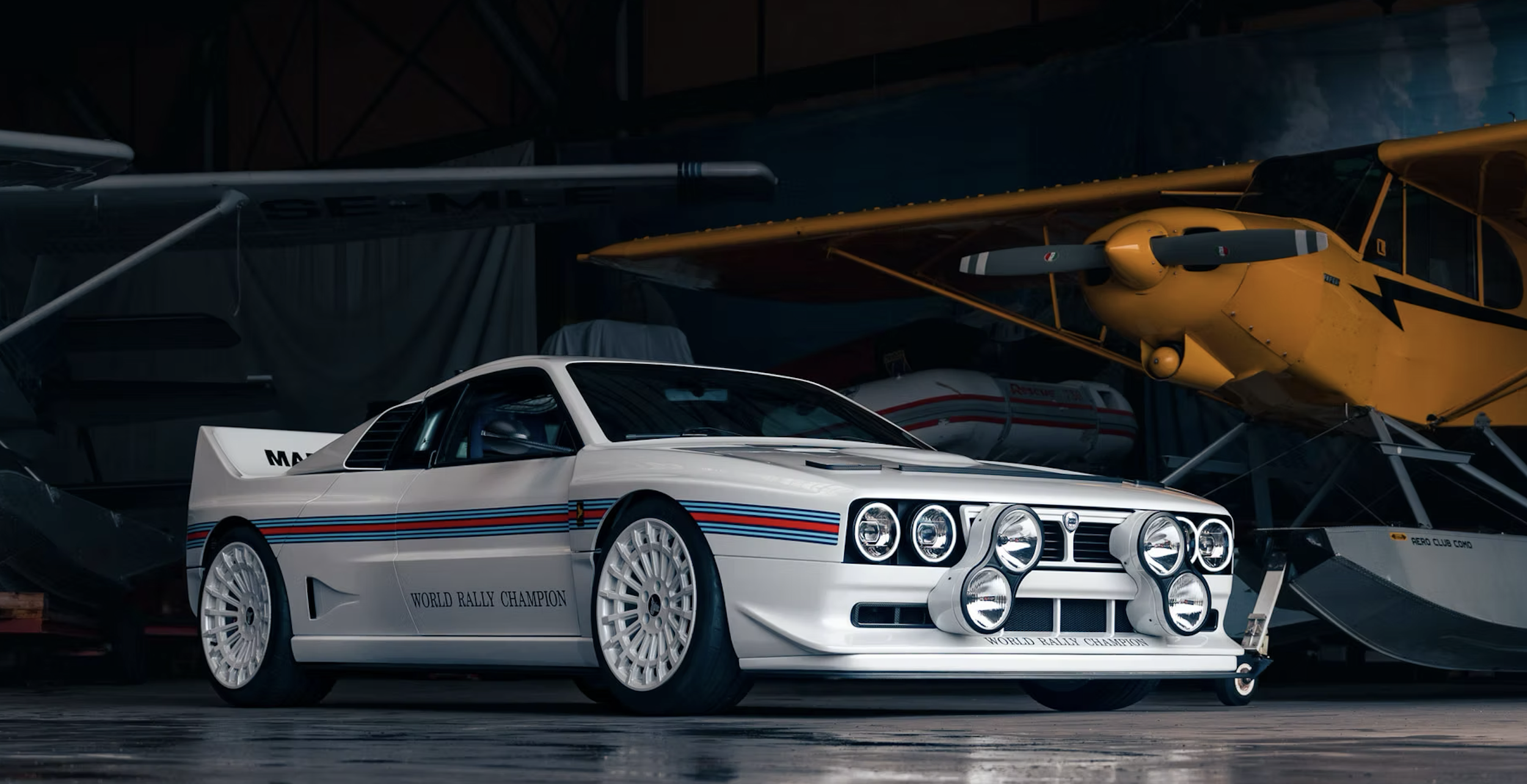
The Kimera EVO37 is not a retro toy. It is Kimera Automobili’s modern reinterpretation of the Lancia Rally 037, the homologation-era rally machine that captured the 1983 WRC manufacturers' title—a moment remembered because it marked the final victory of a rear-wheel-drive platform against the rising tide of all-wheel-drive dominance.
What makes the project remarkable is its lineage. Development involved figures connected to the original rally ecosystem, including Sergio Limone and Miki Biasion. This gives the EVO37 something rare among modern reinterpretations: historical legitimacy.
It isn’t merely styled like the past…it is connected to it. The Chronomètre Bleu carries a different kind of lineage, but the philosophy is similar. The brand behind it—F.P. Journe—is built around a principle engraved on every dial:
“Invenit et Fecit.”
He invented it and made it.
The Chronomètre Bleu takes classical chronometry and strips away excess, presenting it through modern materials and quiet confidence.
So the historical rhyme is simple:
Kimera asks: What would the 037 be if its spirit survived into the present?
Journe asks: What would classical chronometry look like if expressed with modern restraint?
Neither object copies history. Each one translates it.
The Watch: F.P. Journe Chronomètre Ble
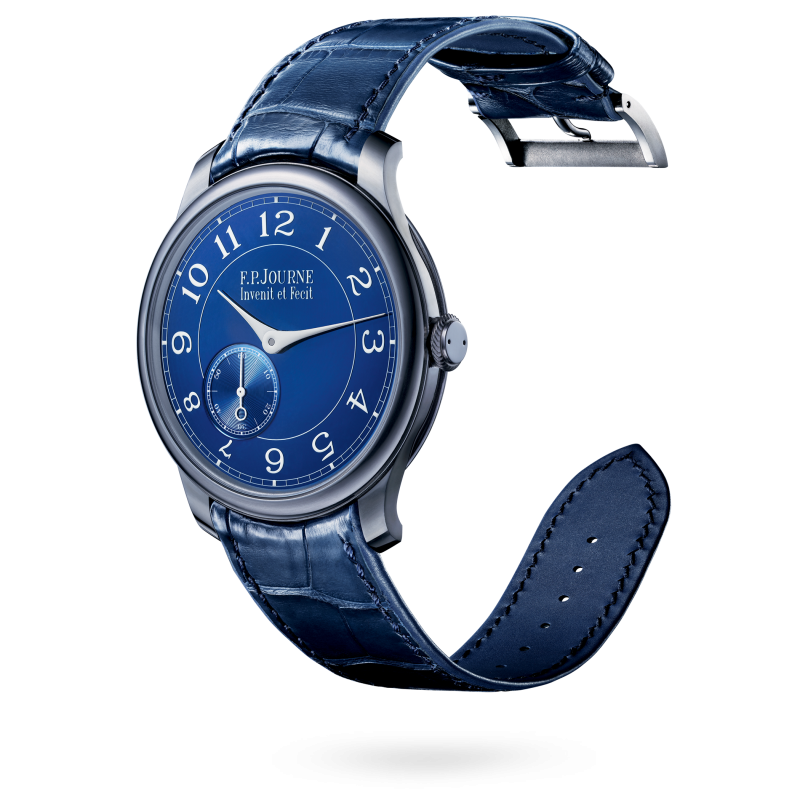
The Chronomètre Bleu is one of the most quietly magnetic watches in modern independent watchmaking.
At first glance it almost feels simple: a deep mirror-blue dial, slim typography, a time-only layout…but that simplicity is loaded.
The case is made from tantalum, a dense and notoriously difficult metal to machine and finish. It has a darker, almost graphite-like tone that gives the watch its unusual presence on the wrist.
Inside is the Calibre 1304, a manually wound movement crafted in 18k rose gold, featuring twin mainspring barrels and exceptional chronometric stability.
Collectors often describe the Chronomètre Bleu as a watch that reveals itself slowly. The more time spent with it, the more its restraint begins to feel intentional. Which is exactly the point.
Watch Specifications — Chronomètre Bleu
Case: 39mm tantalum
Movement: F.P. Journe Calibre 1304 (manual wind)
Movement Material: 18k rose gold
Power Reserve: ~56 hours
Dial: Mirror-polished blue lacquer
Functions: Hours, minutes, small seconds
Strap: Alligator leather
Production: Limited, independent manufacture
It is not trying to impress at first glance. It is designed to endure attention.
The Car: Kimera EVO37
The Kimera EVO37 is what happens when modern engineering is applied in service of an analog philosophy.
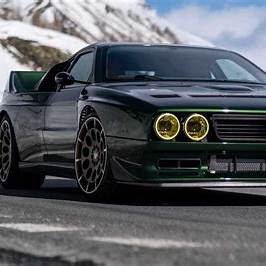
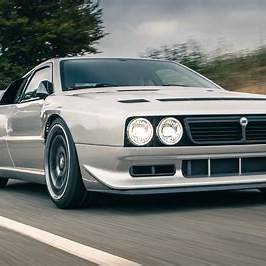
Its carbon-fiber body and modern chassis are contemporary, but the core layout remains faithful to the rally original: mid-engine, rear-wheel drive, and a manual transmission.
Power comes from a 2.1-liter inline-four using a twincharged setup—supercharger and turbo—an intentional nod to Lancia’s broader rally experimentation during the Group B era.
But the most important number isn’t horsepower. It’s 37. Kimera limited production to just 37 cars, reinforcing that this machine was never intended to become a product line. It is an authored object.
Car Specifications — Kimera EVO37
Layout: Mid-engine, rear-wheel drive
Engine: 2.1L twincharged inline-four
Power: ~500 hp
Transmission: 6-speed manual
Body: Carbon fiber composite
Suspension: Fully modernized motorsport architecture
Production: 37 units
The EVO37 is not a museum tribute.
It is a continuation.
The Anti-Scale Argument
This is the parallel that matters most.
Kimera does not win by building thousands of cars. It wins by building a few cars extremely well. Each EVO37 feels authored rather than manufactured.
F.P. Journe operates from a similar axis. The brand remains fiercely independent, revered precisely because it refuses to dilute its philosophy for volume. The Chronomètre Bleu became iconic not because it chased maximal complication, but because it proved something more subtle: purity, proportion, and material honesty still matter.
Both reject scale as the primary measure of success.
They choose: density over volume, meaning over distribution, and signature over standardization.
Material Truth
Another reason the pairing works is how both objects approach materials.
On the EVO37, carbon fiber isn’t cosmetic. It exists because the car is meant to be driven with intensity.
The same philosophy applies to the Chronomètre Bleu’s tantalum case.
Tantalum is difficult, stubborn, and slow to finish. But those challenges produce a distinctive sheen and weight that feel unlike steel or titanium.
In both cases, the material choice reflects the philosophy behind the machine: difficulty accepted in pursuit of character.
Final Thought
The best comparison is not that the EVO37 is “the car version” of the Chronomètre Bleu. It is that both were created by people who understand a rare truth: history is not honored by repetition alone. It is honored by worthy continuation.
Kimera did not scale the 037 into irrelevance. Journe did not dilute chronometry into decoration. Both protected the soul of the thing by rebuilding it carefully, stubbornly, and with authorship intact.
And that is exactly why this pairing belongs in Wrist & Wheel. Because Wrist & Wheel has never really been about products alone.
It is about the living line between past and present.
The moment where craft survives modernization.
The place where engineering still feels personal.
