
Vol. 33: 1978 Toyota Long-Bed Sport Truck × Tudor Ranger II ref. 9111/0
The Moment Between Eras
Some pairings are obvious. Others reveal something deeper about the time they came from.
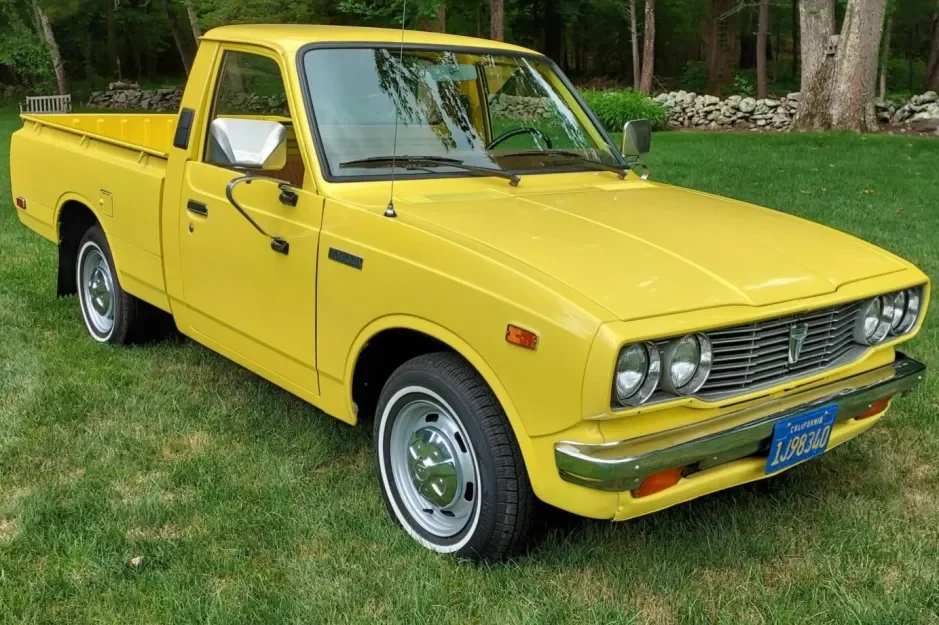
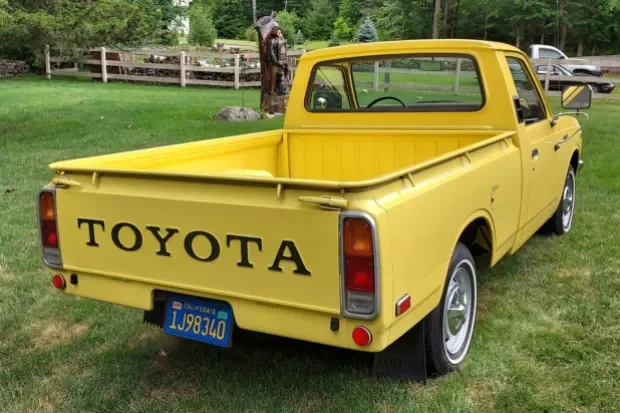
A 1978 Toyota long-bed sport truck sits right on the edge of the Hilux legend. It represents the moment when compact pickups began evolving from pure farm equipment into everyday lifestyle machines—still honest, still mechanical, but now carrying a little more identity.
The Tudor Ranger II ref. 9111/0 lives in a similar space inside watch design. Earlier Rangers were traditional field watches built on Tudor’s Oyster-Prince architecture. The Ranger II pushed that language into a distinctly late-1970s shape—angular, modern, slightly unconventional.
Both objects capture the same cultural shift. Not luxury. Not nostalgia. Functional modernization.
The Car: 1978 Toyota Long-Bed Sport Truck
The late-1970s Toyota truck represents a turning point for compact pickups…Still narrow, light and mechanically simple. But now the design was sharpening. The body lines became cleaner and more architectural, and the idea of a “sport truck” began to appear alongside traditional work models.
This generation widened the stance slightly and refined the proportions, creating something that could serve during the workday and still feel at home on a weekend road trip.
In 1979, Toyota would introduce the factory 4WD Hilux, cementing the truck’s reputation for capability. That makes the 1978 model feel like a threshold moment—the calm before the legend officially takes hold.
It isn’t a poster vehicle like the FJ40. It’s quieter than that. But over time, that humility becomes the appeal.
Specs Snapshot
Model: Toyota Compact Pickup / Hilux (Long Bed Sport Truck)
Year: 1978
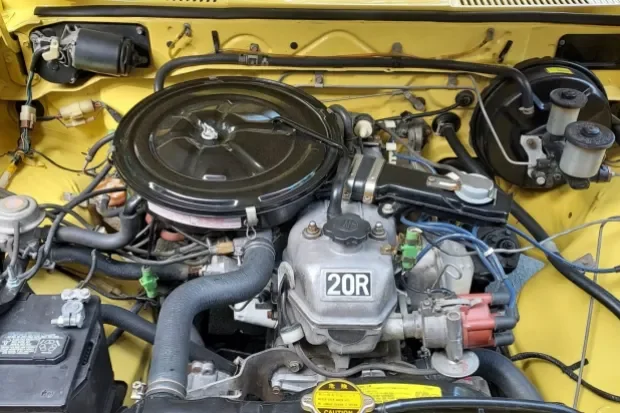
Engine: 2.2L Toyota 20R inline-four
Power: ~90–100 hp
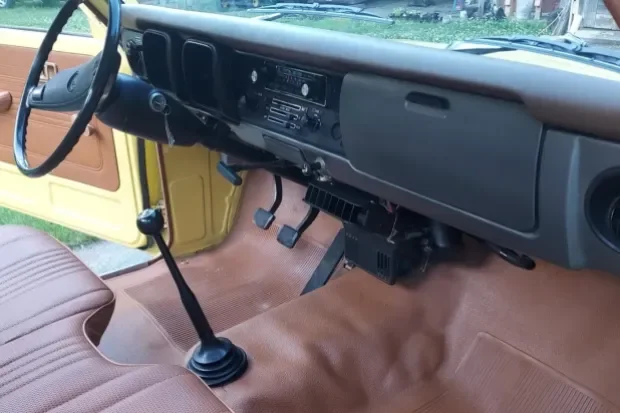
Transmission: 4-speed manual
Drivetrain: Rear-wheel drive (4WD introduced the following year)
Wheelbase: ~110 inches
Construction: Body-on-frame steel chassis
Weight: Typically under 3,000 lbs depending on configuration
Character: Lightweight, mechanically simple, built for durability and daily work
The Watch: Tudor Ranger II ref. 9111/0
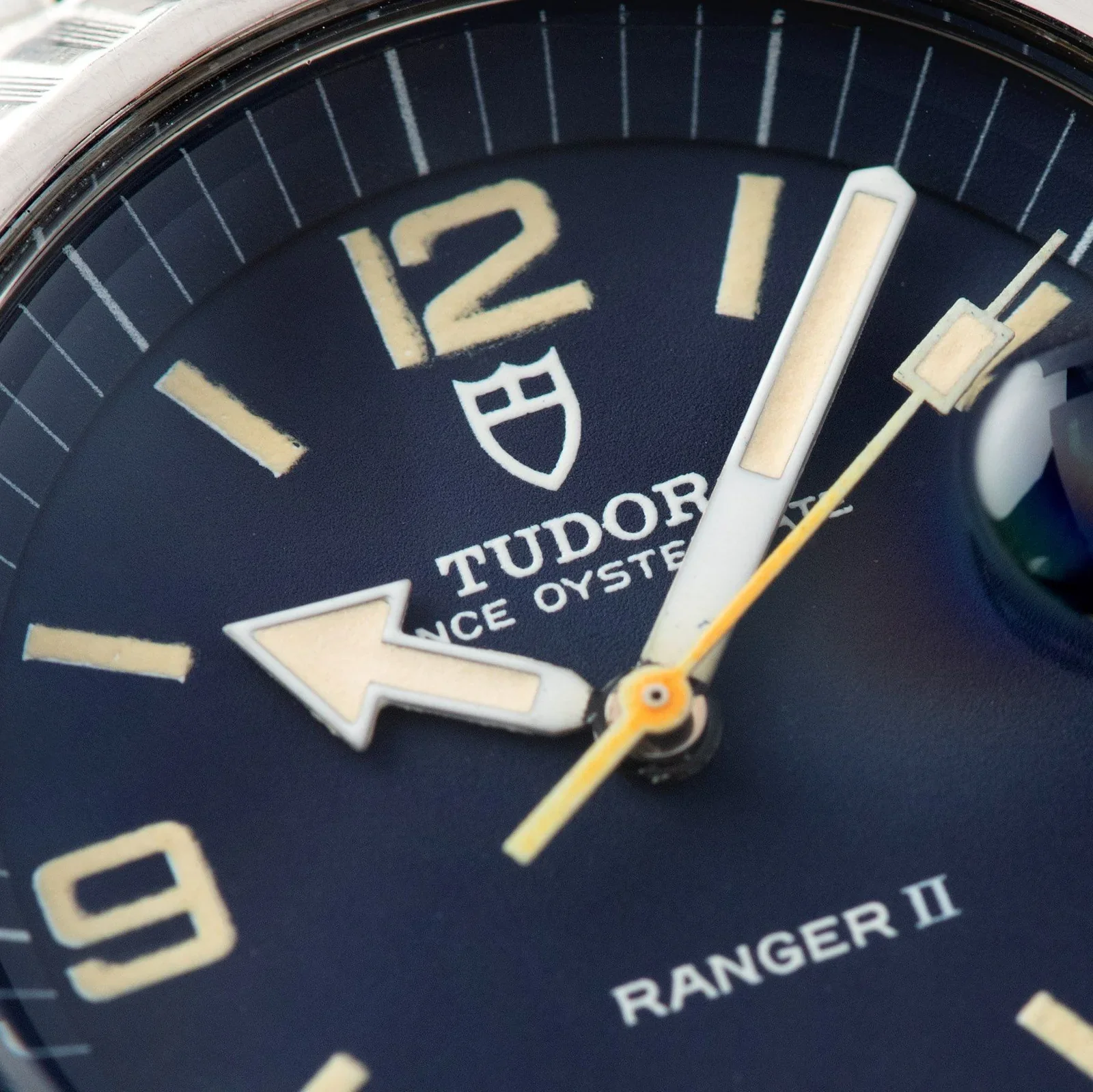
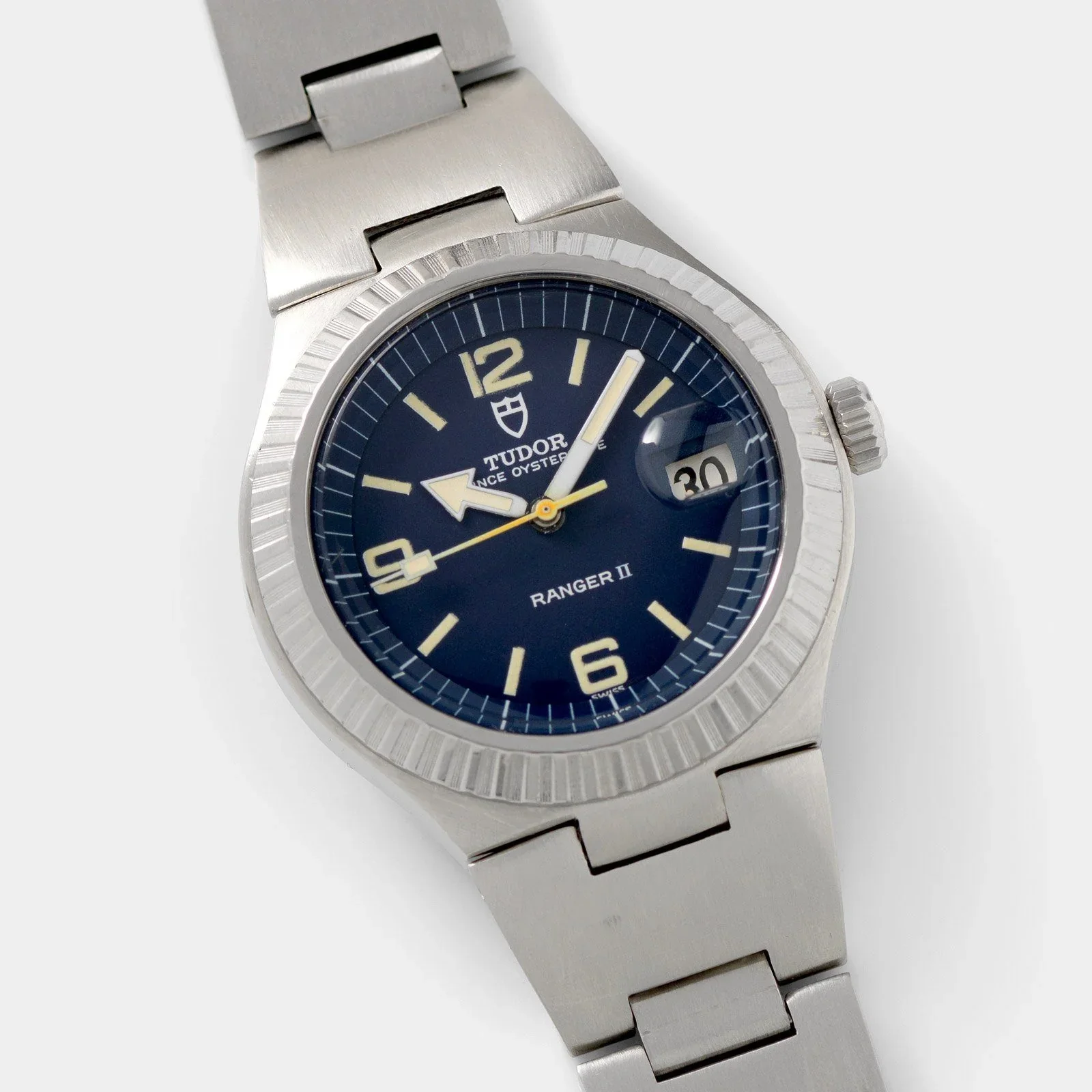
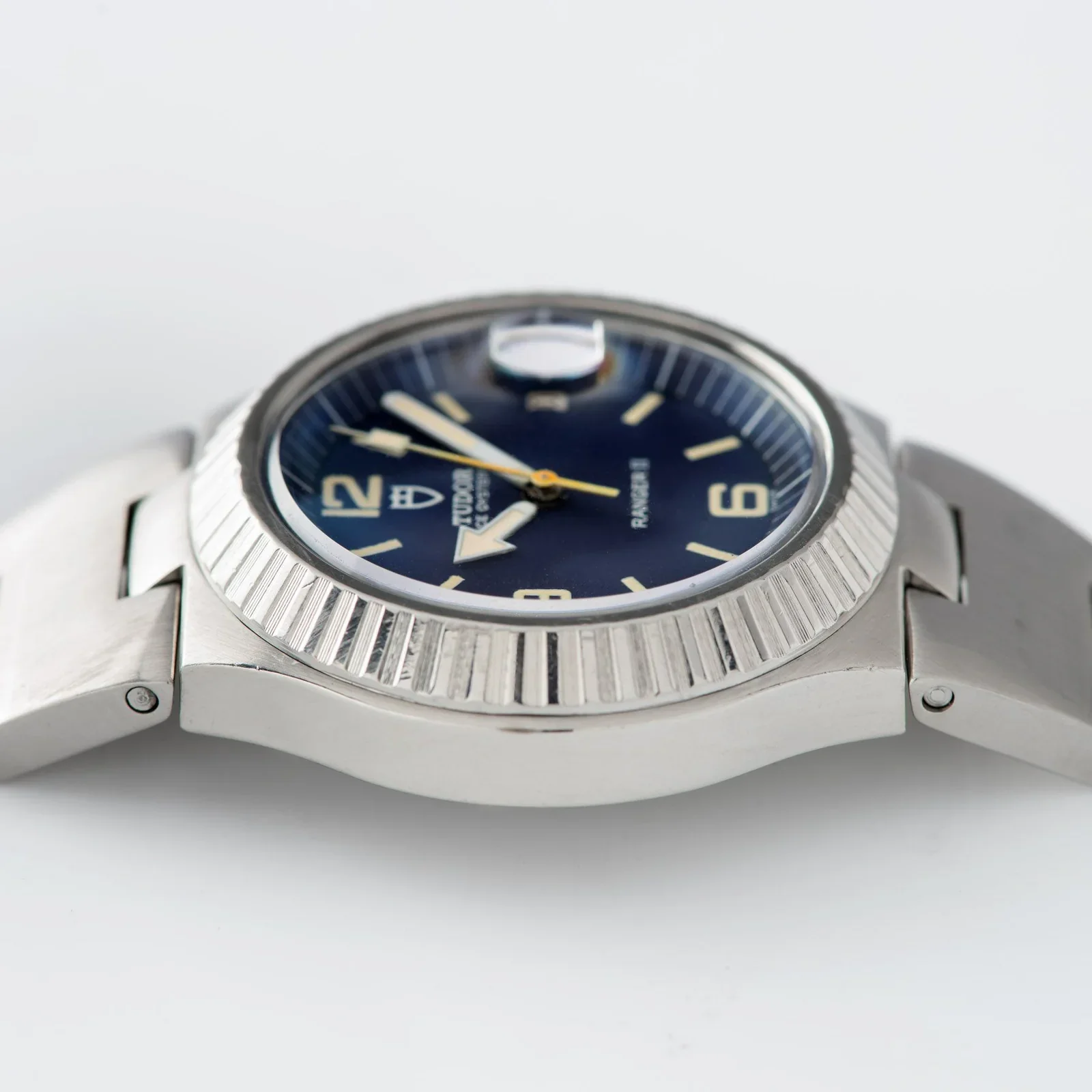
The Tudor Ranger II is one of the most distinctly “1970s” watches Tudor ever produced. Where earlier Rangers leaned into traditional field-watch simplicity, the Ranger II adopted the decade’s sharper design language—angular case lines, integrated bracelet architecture, and bold dial elements that emphasized legibility.
It was still unmistakably a tool watch…steel case, highly readable dial, and bright handset accents on many examples. But the stance changed. The Ranger II carried the industrial geometry of the era without becoming a fragile fashion piece.
In many ways, it represents Tudor experimenting in public—pushing the Ranger identity into a more modern form while still retaining the durability and practicality the brand was known for. Today, that experimentation is exactly what makes the Ranger II so compelling.
Specs Snapshot
Model: Tudor Ranger II
Reference: 9111/0
Era: Late 1970s
Case Material: Stainless steel
Case Size: ~38–39mm
Bracelet: Integrated steel bracelet (period-correct design language)
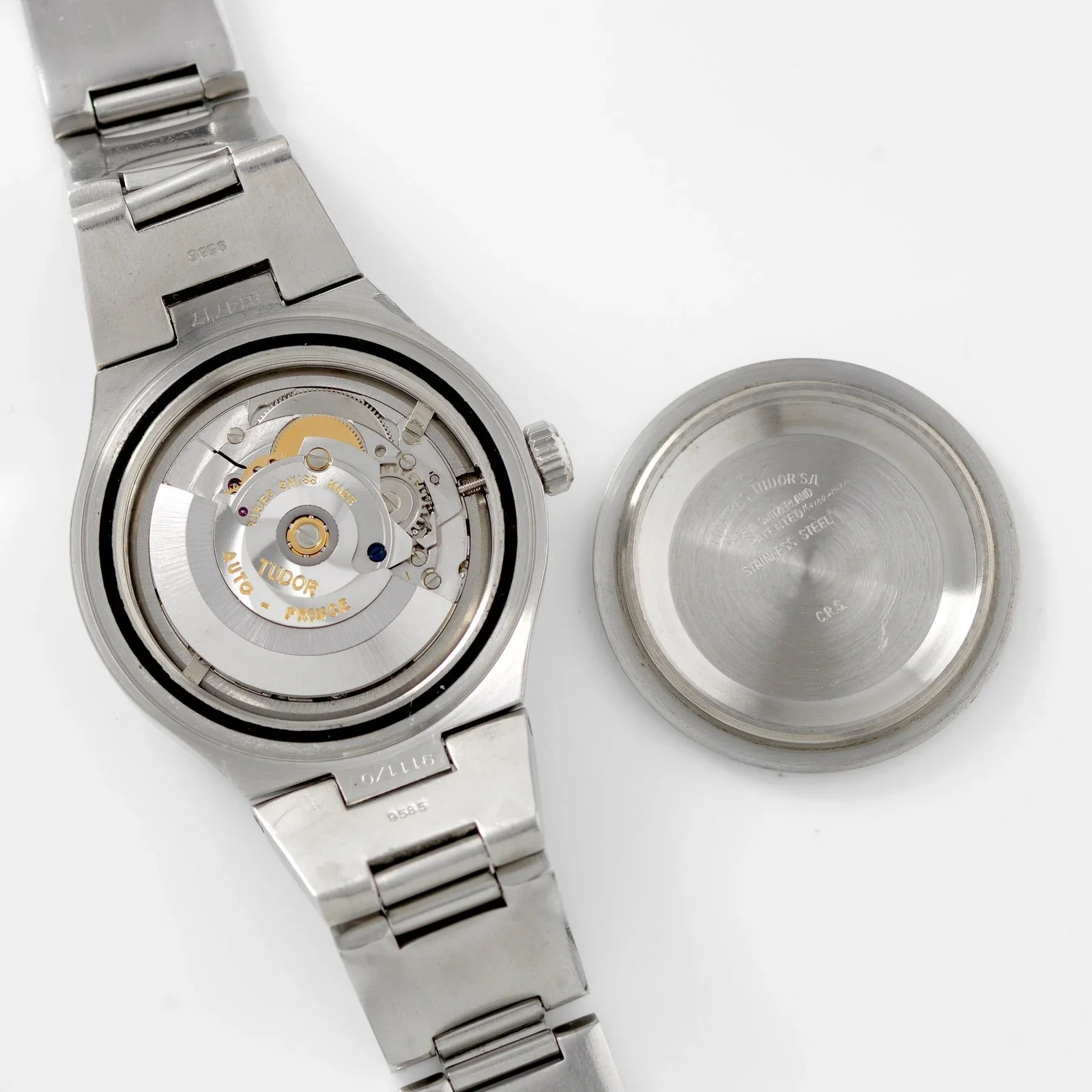
Movement: ETA 2784 automatic
Beat Rate: 28,800 vph
Complications: Time and quick-set date
Crown: Rolex-signed screw-down crown typical of Tudor sport models of the era
Design Character: Angular 1970s industrial styling with high-contrast tool-watch legibility
Why This Pairing Works
This pairing works because both objects were asking the same question in the late 1970s: how do you modernize something without losing the qualities that made it trustworthy in the first place?
Toyota answered through proportion and restraint. The truck’s body became cleaner and more architectural, favoring straight lines, upright glass, steel bumpers, and the practical long-bed proportions that made it genuinely useful. Tudor answered through geometry and clarity. The Ranger II adopted the sharper industrial design language of the decade—an angular case, bold dial furniture, and highly legible hands—while remaining firmly rooted in the durable Oyster-derived tool watch architecture that defined the brand.
Both objects share the same quiet design logic. They favor straight lines over curves, utility-first details that accidentally became style, and compact proportions that feel substantial without being oversized. Most importantly, they were designed for repetition. These weren’t special-occasion objects—they were everyday tools, the kind of things you put on in the morning without thinking.
That’s also why the Ranger II is the better pairing for this truck than something louder or more obvious. A large dive watch would feel like overstatement. A 1978 Toyota long-bed isn’t about dominance or spectacle—it’s about usefulness, restraint, and proportion. The Ranger II reflects that same mindset, winning through legibility, stance, and honest design rather than brute force.
Neither object was the headline star of its era. The Toyota long-bed sport truck lived quietly beside more mythologized off-road vehicles, and the Ranger II existed in the shadow of more famous Tudor and Rolex sports watches. But time has a way of rewarding honest objects. The pieces that didn’t try to become icons often end up feeling the most authentic decades later.
That’s a core Wrist & Wheel principle: the machines with the deepest soul are often the ones history didn’t overexpose.
